The article was updated on March 7, 2026
Contents
- How does the pancreas work and why does its health matter?
- What damages the pancreas? The most common causes of damage.
- What symptoms may indicate pancreatic problems?
- Pancreas Support Diet – What to Eat and What to Avoid?
- Herbs and natural substances that support the pancreas – what does the research say?
- Pancreas Support Supplements – Which Ingredients Make Sense?
- Habits and lifestyle are key to pancreatic regeneration
- How to relieve the pancreas? Intermittent fasting, therapeutic fasting, and toxin reduction.
- FAQ – frequently asked questions about pancreatic health
- Summary – what really helps the pancreas?
- Sources
The pancreas can be effectively supported and relieved of its burden, primarily by eliminating alcohol and smoking, adopting an anti-inflammatory diet with a low glycemic index, and adopting regular lifestyle habits such as physical activity and adequate sleep. Certain herbs and supplements can be a valuable complement to these efforts, although their direct effects on the pancreas are based primarily on preclinical research.
This article is a practical guide for those who want to consciously take care of their pancreas health—whether preventatively or after an inflammatory episode. You'll find an overview of the function and structure of the pancreas, the causes and symptoms of its damage, and above all, specific, research-based methods for supporting its regeneration: from diet and herbs, through supplementation and lifestyle, to intermittent fasting and limiting environmental toxins. Finally, a FAQ with answers to the questions patients most frequently search for online.
Important: This article is for educational purposes only and does not replace a doctor's consultation. If you experience severe abdominal pain, notice fatty stools, or experience unexplained weight loss, consult your doctor before implementing any changes.
1. How does the pancreas work and why is its health important?
The pancreas is a small organ (approximately 15–20 cm long) hidden behind the stomach, in the upper abdominal cavity. Despite its modest size, it performs two absolutely crucial functions: digestive and hormonal. When it stops functioning properly, the entire body is affected.
1.1. What is the pancreas responsible for in digestion?
The exocrine pancreas produces digestive enzymes that are secreted into the duodenum. Without them, effective digestion of food is impossible:
| Enzyme | What does it decompose? | Why is this important? |
|---|---|---|
| Amylase | Carbohydrates (starch) | Enables the absorption of sugars as a source of energy |
| Lipase | Fats | Without it, fats are not absorbed and appear in the stool. |
| Proteases (trypsin, chymotrypsin) | Proteins | Essential for providing building blocks of amino acids |
1.2. How does the pancreas regulate blood sugar levels?
The endocrine portion of the pancreas (the islets of Langerhans) produces hormones that are released directly into the bloodstream. The two most important hormones act antagonistically, working together to maintain glucose levels in balance:
- Insulin – lowers blood glucose levels, allowing cells to take it up and use it as energy. Insulin deficiency or resistance leads to diabetes.
- Glucagon – raises glucose levels when they drop too low (e.g. during exercise or fasting), stimulating the liver to release glycogen.
Disturbance of this mechanism – even without obvious symptoms – may develop over a long period of time into type 2 diabetes or chronic pancreatitis.
1.3. Does the pancreas have the ability to regenerate?
Yes, but to a limited extent. Animal studies have shown that the exocrine (acinar) cells of the pancreas have some regenerative potential, especially after removal of the damaging factor. However, the beta cells of the islets of Langerhans, responsible for insulin production, regenerate much less effectively and more slowly.
The key takeaway: the sooner harmful factors (alcohol, poor diet, chronic stress) are eliminated, the greater the chance of restoring pancreatic function. Therefore, preventative measures and reducing the burden on the organ are more important than attempting to "repair" it after the fact.
2. What damages the pancreas? The most common causes of damage
The pancreas is an organ exceptionally sensitive to lifestyle. Most pancreatic damage doesn't occur suddenly—it's the result of months or years of exposure to factors that gradually overload and destroy its cells. Knowing these causes is the first step towards effective prevention.
2.1. Why is alcohol the greatest enemy of the pancreas?
Alcohol abuse is one of the two most common causes of both acute and chronic pancreatitis (along with gallstones). Alcohol and its metabolites—primarily acetaldehyde—damage the acinar cells of the pancreas, causing them to prematurely activate digestive enzymes while still within the organ. The result is a literal "self-digestion" of the pancreatic tissue, which can lead to irreversible fibrosis.
Data from the gastroenterology literature indicate that chronic alcohol consumption is responsible for approximately 70–80% of cases of chronic pancreatitis in Western countries.
It is important that the damage threshold is individual – there is no safe dose of alcohol for people with already damaged pancreas or a genetic predisposition to pancreatic diseases.
2.2. How does a diet high in fat and sugars burden the pancreas?
A high-fat, high-sugar diet is the second key risk factor. There are two mechanisms of damage:
- Enzyme overload – large amounts of dietary fat force the pancreas to secrete lipase more intensively. Chronic overload promotes inflammation.
- Hyperinsulinism and insulin resistance – a diet rich in simple sugars and high-glycemic index foods forces overproduction of insulin. Over time, this leads to beta cell exhaustion and insulin resistance, which is the basis of type 2 diabetes.
An additional indirect factor is abdominal obesity – strongly correlated with both insulin resistance and gallstones, which in turn is a common cause of acute pancreatitis.

2.3. Does smoking really harm the pancreas?
Yes, and it's one of the most underestimated risk factors. Tobacco smoke contains carcinogens (including nitrosamines) that penetrate pancreatic juice and directly damage the DNA of pancreatic cells. Smoking is an independent risk factor for both chronic pancreatitis and pancreatic cancer.
Epidemiological studies show that smokers have about twice the risk of pancreatic cancer compared with non-smokers, and the risk gradually decreases after quitting.
2.4. How does chronic stress affect the pancreas?
The impact of stress on the pancreas is indirect but real. Chronic activation of the HPA (hypothalamic-pituitary-adrenal) axis leads to persistently elevated cortisol levels, which:
- increases insulin resistance in peripheral tissues, increasing the need for insulin
- promotes the deposition of visceral fat, indirectly burdening the pancreas
- weakens the immune response, increasing susceptibility to inflammation
Although stress itself is rarely a direct cause of pancreatic disease, when combined with other risk factors (diet, alcohol) it significantly accelerates its damage.

2.5. What other factors can damage the pancreas?
Besides lifestyle, there are a few additional causes worth knowing about:
| Factor | Damage mechanism |
|---|---|
| Gallstones | The stone blocks the pancreatic duct, causing enzyme regurgitation and acute inflammation – this is the most common cause of acute pancreatitis in Poland. |
| Some medications | Corticosteroids, some diuretics, immunosuppressants, and antibiotics (e.g., tetracyclines) may cause drug-induced pancreatitis |
| Viral infections | Mumps virus, CMV, Coxsackie B viruses can cause acute pancreatitis |
| Autoimmune diseases | Autoimmune pancreatitis (AIP) – the immune system attacks its own pancreatic tissue; may resemble pancreatic cancer on imaging |
| Genetic predisposition | Mutations in the PRSS1, SPINK1 or CFTR genes increase the risk of hereditary and early-onset pancreatitis; they require special prevention |
Important: gallstones and alcohol together account for over 80% of all cases of acute pancreatitis. Eliminating even one of these factors significantly reduces the risk.
3. What symptoms may indicate pancreatic problems?
Symptoms of pancreatic disease can be tricky – some are nonspecific and easily attributed to other digestive ailments. However, it's worth knowing the warning signs that should prompt a consultation with a doctor, especially if several of them occur simultaneously or persist for a long time.
3.1. What does the pancreas hurt like? Characteristics of pancreatic pain
Abdominal pain is the most common and characteristic symptom of pancreatic problems. It has specific characteristics that distinguish it from other abdominal complaints:
- Location: upper abdomen (epigastrium), often radiating to the back or left shoulder – so-called girdling pain
- Aggravated after eating: especially after fatty, heavy meals or alcohol
- Relief in the fetal position: Leaning forward or curling up may provide some relief – this is a characteristic of pancreatic pain
- Intensity: in acute pancreatitis, the pain is sudden, very severe and may require immediate medical attention.
In chronic pancreatitis, the pain may be less dramatic but recurring and gradually worsen after meals.
3.2. What digestive disorders indicate pancreatic insufficiency?
When the pancreas doesn't produce enough digestive enzymes, exocrine pancreatic insufficiency (EPI) occurs. Its symptoms primarily affect stool and fat digestion:
| Symptom | Description | Cause |
|---|---|---|
| Steatorrhea (fat in stool) | Pale, greasy, foul-smelling stools that are difficult to flush away | Pancreatic lipase deficiency |
| Diarrhea | Frequent, watery bowel movements, worsening after fatty meals | Undigested fats irritate the intestines |
| Bloating and gas | Feeling of fullness, excessive gas, discomfort after eating | Fermentation of undigested food in the intestines |
| Nausea and vomiting | Especially after meals, they may accompany both acute pancreatitis and chronic pancreatitis. | Gastrointestinal motility disorders, pain |
3.3. Why do pancreatic diseases cause weight loss?
Unexpected weight loss with a maintained or even increased appetite is one of the most serious alarm signals. It results from two mechanisms:
- Poor absorption of nutrients (malabsorption) – even if the patient eats regularly, undigested fats and proteins are excreted instead of being absorbed into the blood
- Metabolic disorders – when beta cells are damaged, insulin production decreases, which prevents the cells from properly using glucose as an energy source
Weight loss for no apparent reason, especially in people over 50, always requires diagnosis – it may be an early symptom of pancreatic cancer.
3.4. What is jaundice in the context of pancreatic diseases?
Jaundice occurs when an enlarged pancreatic head (e.g., due to cancer or inflammation) compresses the common bile duct, preventing bile from flowing. Symptoms include:
- yellowing of the skin and whites of the eyes
- dark (tea-colored) urine
- discolored (light, gray) stool
- itching of the skin caused by the deposition of bile acids
Obstructive jaundice combined with abdominal pain and weight loss is a triad of symptoms that requires urgent medical consultation .
3.5. What is pancreatic diabetes and how does it differ from type 2 diabetes?
When pancreatic damage affects beta cells, it can lead to the development of so-called pancreatic diabetes (type 3c) – a separate disease entity, often misdiagnosed as type 2 diabetes. The differences are clinically significant:
| Characteristic | Type 2 diabetes | Pancreatic diabetes (3c) |
|---|---|---|
| Cause | Tissue insulin resistance | Damage or loss of pancreatic beta cells |
| Co-occurring symptoms | Obesity, hypertension, metabolic syndrome | Enzyme deficiencies, malabsorption, weight loss |
| Risk of hypoglycemia | Low (without insulin therapy) | Higher – also disturbed glucagon secretion |
| Treatment | Diet, metformin, oral medications | Often requires insulin + pancreatic enzymes |
3.6. When do symptoms require urgent medical attention?
Not every abdominal pain requires a visit to the emergency room, but certain combinations of symptoms are a red flag:
- 🔴 Sudden, very severe abdominal pain radiating to the back - may indicate acute pancreatitis (AP), which is a life-threatening condition
- 🔴 Jaundice + pain + weight loss – a triad requiring urgent oncological diagnosis
- 🟡 Chronic abdominal pain after meals with fatty stools lasting more than 2–3 weeks
- 🟡 Newly diagnosed diabetes in a slim person, with no family history of type 2 diabetes
None of the symptoms listed should be treated solely with home remedies without prior diagnosis. The methods described in this article are intended as supportive and preventative measures —they do not replace medical treatment.
4. Pancreas support diet – what to eat and what to avoid?
Diet is the most important and direct way to relieve the pancreas. Each meal sends information to this organ—how many enzymes to produce and how much insulin to secrete. Appropriate dietary choices can significantly reduce this burden while supporting natural regenerative processes.
4.1. What products support pancreatic health?
In a diet supporting the pancreas, the priority is easily digestible products, rich in fiber and antioxidants , which do not overload either the enzymatic or hormonal function of the organ.
| Product group | Examples | Why beneficial? |
|---|---|---|
| Green leafy vegetables and cruciferous vegetables | Spinach, kale, broccoli, cauliflower, arugula | Rich in antioxidants and folates; anti-inflammatory effects confirmed in observational studies |
| Berries and citrus fruits | Blueberries, cherries, raspberries, grapefruit | Low glycemic index, high content of polyphenols with antioxidant properties |
| Whole grains and legumes | Oats, buckwheat, lentils, chickpeas | Fiber slows down the absorption of glucose, stabilizing blood sugar levels and reducing the need for insulin. |
| Lean protein | Chicken, turkey, sea fish (cod, pollock, pike-perch) | It is less taxing on lipase than fatty meats; fish also provides omega-3 fatty acids. |
| Healthy vegetable fats | Olive oil, avocado, seeds and nuts (in moderation) | Monounsaturated fatty acids have anti-inflammatory properties; in moderate amounts they do not overload the pancreas. |
Seeds and nuts hold a special place in this diet – they're rich in healthy fats, fiber, and magnesium, which plays a role in regulating insulin secretion. Flaxseeds , chia seeds , various organic nuts , and almonds are also worth considering – preferably unprocessed, without added salt or oil.
4.2. What should you absolutely avoid if you have pancreas problems?
- Alcohol – even small amounts can intensify inflammation and completely inhibit regeneration; it is absolutely contraindicated in pancreatic diseases
- Fatty and fried foods – force intensive lipase production, overloading the pancreas; trans fats are particularly dangerous (fast food, hard margarines)
- Simple sugars and sweetened drinks – cause sudden spikes in glucose levels and force excessive insulin production; sweetened carbonated drinks are one of the worst choices for the pancreas
- Processed foods – high in salt, artificial additives and hydrogenated fats, which increase systemic inflammation
- Large, irregular meals – a one-time load of large amounts of food (especially fatty ones) is one of the most common triggers of acute pancreatitis
4.3. Why does a low glycemic index diet protect the pancreas?
The glycemic index (GI) is a measure of how quickly a given food raises blood glucose levels. The higher the GI, the more rapid the spike in blood sugar and the greater the single insulin requirement—and therefore the greater the burden on the beta cells of the pancreas.
A low GI diet is based on slowly digesting foods: whole grains, legumes, most vegetables, and berries . Cohort studies show that a higher glycemic load diet is significantly associated with a higher risk of type 2 diabetes, which indirectly translates into increased stress on the endocrine function of the pancreas.
A rule of thumb: the less processed a product, the lower its glycemic index . White rice has a GI of around 70, buckwheat around 40, and lentils around 30.
4.4. Which superfoods are particularly supportive of the pancreas?
Some products boast exceptionally high concentrations of anti-inflammatory and antioxidant substances. If you suffer from pancreatic problems, it's worth including them in your daily diet:
- Turmeric – contains curcumin, which in vitro and animal studies demonstrates an inhibitory effect on the activation of NF-κB (a key mediator of inflammation in the pancreas). Several in vitro studies indicate curcumin's potential protective properties for pancreatic cells. The results are based on preclinical studies; its effect in humans requires further study.
- Acai berries and berries – rich in anthocyanins, which in laboratory tests show strong antioxidant activity, protecting cells from oxidative stress.
- Ginger – gingerols contained in ginger have documented anti-inflammatory properties; they also support gastrointestinal motility, alleviating nausea associated with pancreatic diseases.
- Black cumin – Thymoquinone, the main active ingredient in black cumin oil, has been shown to have protective properties on pancreatic beta cells in animal models. These results have not yet been fully confirmed in human clinical trials.

Freeze-dried acai berries powder BIO 100 g - Bio Planet
When looking for health-supporting products, it is worth reaching for the entire category of superfoods available in our store – choosing especially those with an organic certificate, which guarantee the absence of pesticides and artificial additives.
4.5. How to eat to avoid overloading the pancreas? Practical rules
How we eat is just as important as what we eat. Here are a few rules that directly impact the workload on the pancreas:
- Small, frequent meals (4–5 a day) instead of 2–3 large ones – spreading the production of enzymes and insulin over time, without one-time spikes
- Limiting fat in one meal to approximately 20–25 g – in cases of exocrine pancreatic insufficiency, even smaller amounts may require enzyme supplementation
- Thorough chewing and slow eating – mechanically breaking down food in the mouth reduces the work that the pancreas has to do
- Avoiding eating late at night – circadian rhythms influence insulin secretion; late meals disrupt this rhythm
- Steaming, baking, stewing instead of frying – reduces the fat content of the meal and eliminates trans fats created during frying
Our clients' observations indicate that one of the most common changes that results in a significant improvement in digestive health is switching to smaller, more regular meals that limit animal fats. This is often accompanied by the inclusion of high-quality olive oil in the diet as a replacement for saturated fats.
It's also worth remembering that legumes , although very nutritious, can exacerbate flatulence in some people with digestive problems. In such cases, it's better to introduce them gradually and in well-cooked form or in the form of spreads (hummus, lentil paste).
5. Herbs and natural substances that support the pancreas – what does the research say?
Herbal medicine has been used to treat digestive ailments for centuries. Today, some of these traditional uses are supported by scientific research – although it's worth noting that most of the available data comes from in vitro or animal models. They don't replace medical treatment, but as a complement to a healthy diet, they can provide valuable support for the pancreas.
5.1. Which herbs have beneficial effects on the pancreas?
Below is a list of the best-studied herbs and plant substances that are associated in the scientific literature with supporting pancreatic function or having anti-inflammatory effects within this organ:
| Herb / substance | Main active ingredient | Action (level of evidence) | Form of application |
|---|---|---|---|
| Turmeric | Curcumin | Inhibition of NF-κB (inflammation mediator); protection of pancreatic cells in in vitro and animal studies | Spice, golden milk drink, supplement |
| Milk thistle | Silymarin | Hepato- and pancreatoprotective effect; in rat studies, reduction of pancreatic damage induced by cerulein | Ground seeds, infusion, supplement |
| Ginger | Gingerols, shogaols | Anti-inflammatory and antiemetic effects; alleviation of nausea associated with pancreatic diseases – confirmed in clinical trials for other indications | Fresh root, infusion, spice |
| Dandelion | Taraxacin, inulin | Stimulation of bile and digestive juice secretion; prebiotic effect of inulin supporting intestinal microbiota; data mainly from in vitro studies | Infusion of leaves or roots, juice |
| Peppermint | Menthol | Relaxes smooth muscle in the digestive tract; relieves bloating and digestive discomfort; confirmed in clinical trials for IBS | Infusion, essential oil (internally with caution) |
| Black cumin | Thymoquinone | Protection of pancreatic beta cells in animal studies; antioxidant and anti-inflammatory effects | Seeds, oil, supplement |
| Thyme | Thymol, carvacrol | Stimulation of digestive juice secretion; antibacterial and antioxidant activity; data mainly from in vitro studies | Spice, infusion, supplement |
Important note: None of the herbs listed have been approved by EFSA for health claims specifically related to the pancreas. Their use is for supportive purposes only and should be consulted with a doctor, especially if you are taking prescription medications (possible interactions) or are pregnant.
5.2. Milk thistle – does it only affect the liver?
Milk thistle is primarily associated with liver protection, but silymarin—its main active ingredient—has broader hepatoprotective and pancreatoprotective effects. In animal studies, silymarin limited cerulein-induced pancreatic damage in rats by reducing the activity of pancreatic enzymes in the blood and the severity of inflammation.
Clinical data in humans are limited, but the safety profile of silymarin is well documented – it is one of the best-studied herbal ingredients for safety.

Milk thistle powder, organic, 200 g - Dary Natury
5.3. Turmeric and its anti-inflammatory effects – what do we really know?
Curcumin, the main polyphenol in turmeric, is one of the most extensively studied plant substances in the context of inflammation. Its mechanism of action involves inhibiting the NF-κB pathway, a key inflammatory mediator activated during pancreatitis, among other conditions.
A number of in vitro studies indicate curcumin's potential protective properties against pancreatic cells. A significant limitation: curcumin has very low oral bioavailability – it is absorbed much better when combined with piperine (contained in black pepper), which, according to pharmacological studies, can increase its bioavailability by up to several dozen times.
Therefore, it is worth using turmeric together with black pepper – either in the kitchen or in the form of a supplement combining both ingredients.
5.4. What herbal teas are worth drinking for pancreatic problems?
Regularly drinking herbal infusions is one of the simplest ways to support your digestive system daily. Infusions have a multifaceted effect: they deliver active ingredients, support hydration, and—in the case of some herbs—stimulate the secretion of digestive juices.
Particularly recommended compositions are infusions containing:
- mint and chamomile – relieve cramps and flatulence, have an antispasmodic effect on the digestive tract
- milk thistle with turmeric – a combination of hepato- and pancreatoprotective effects
- dandelion with ginger – stimulation of bile and digestive juice secretion, support of motility

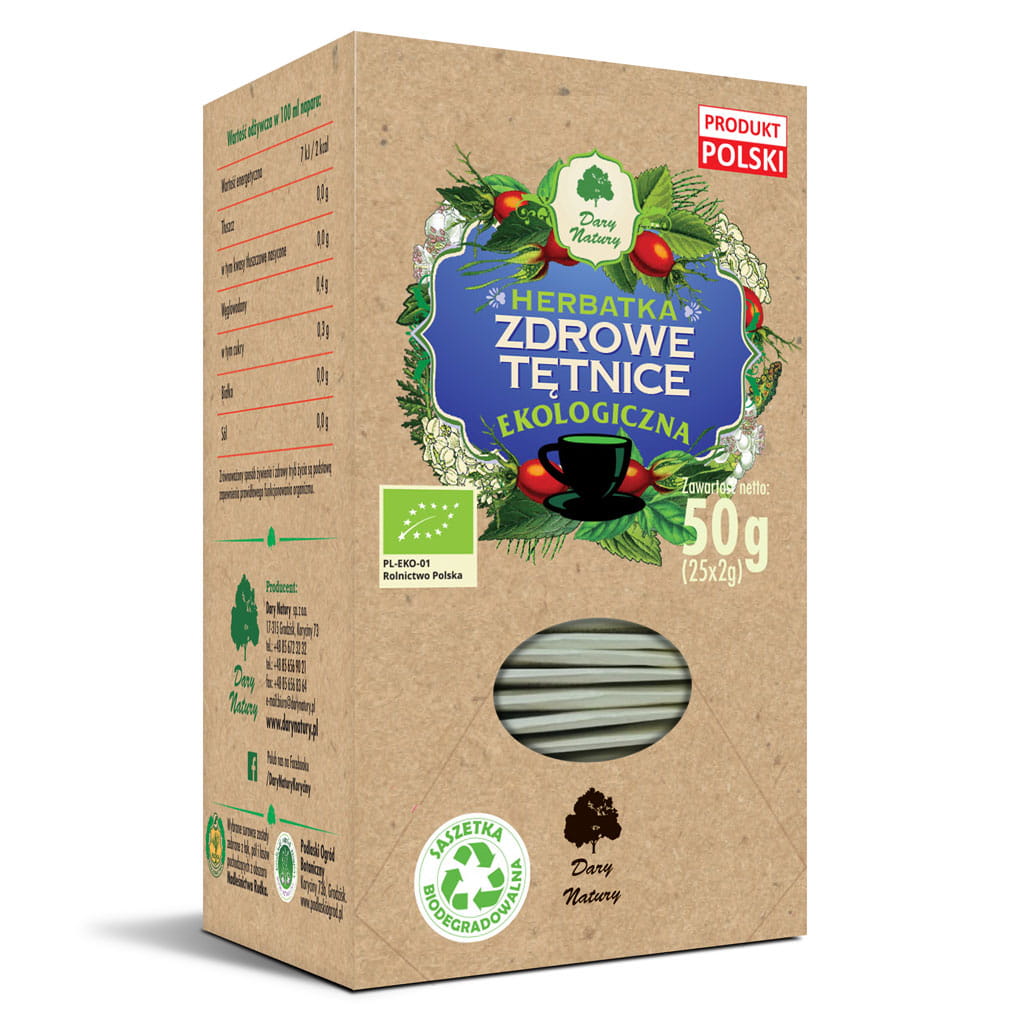
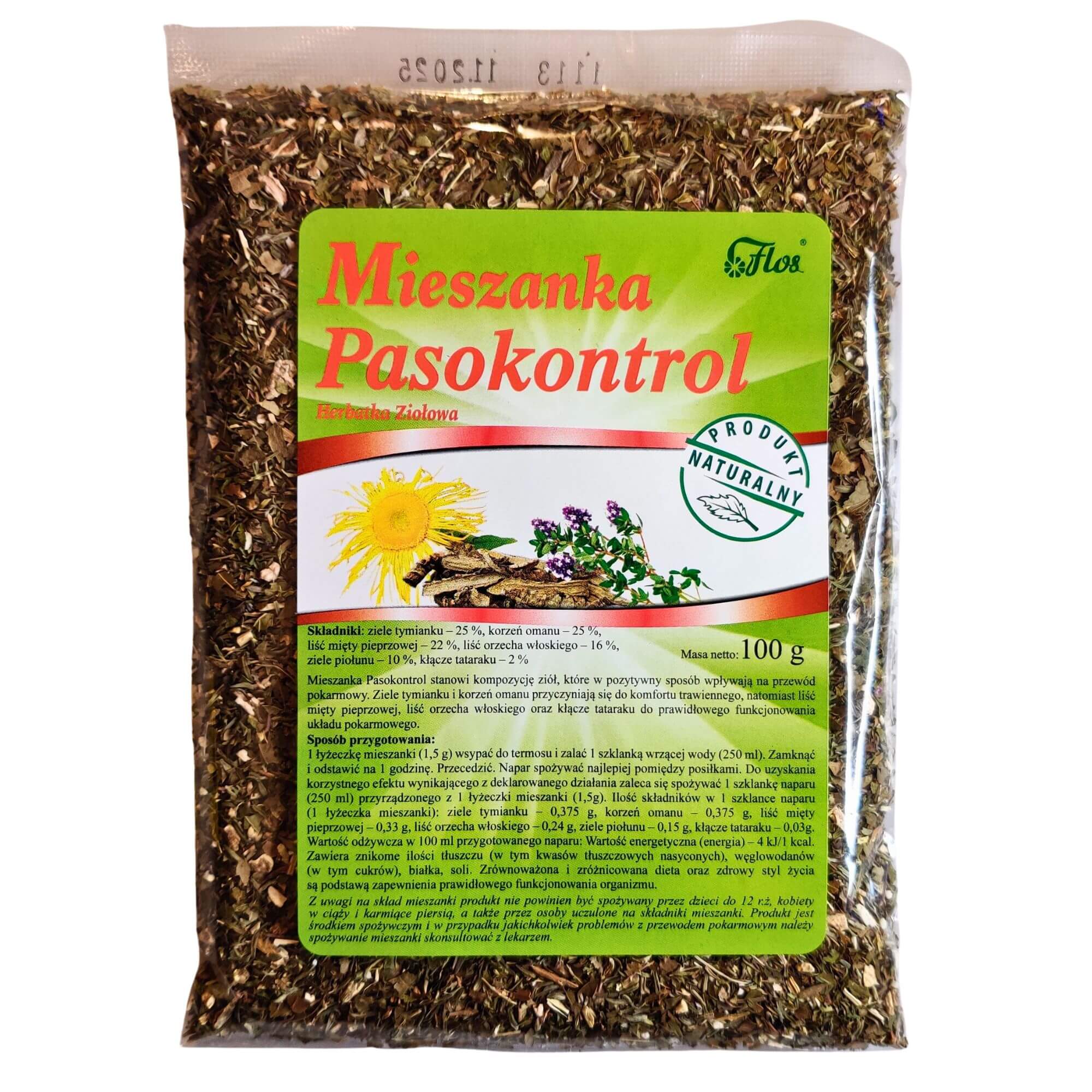
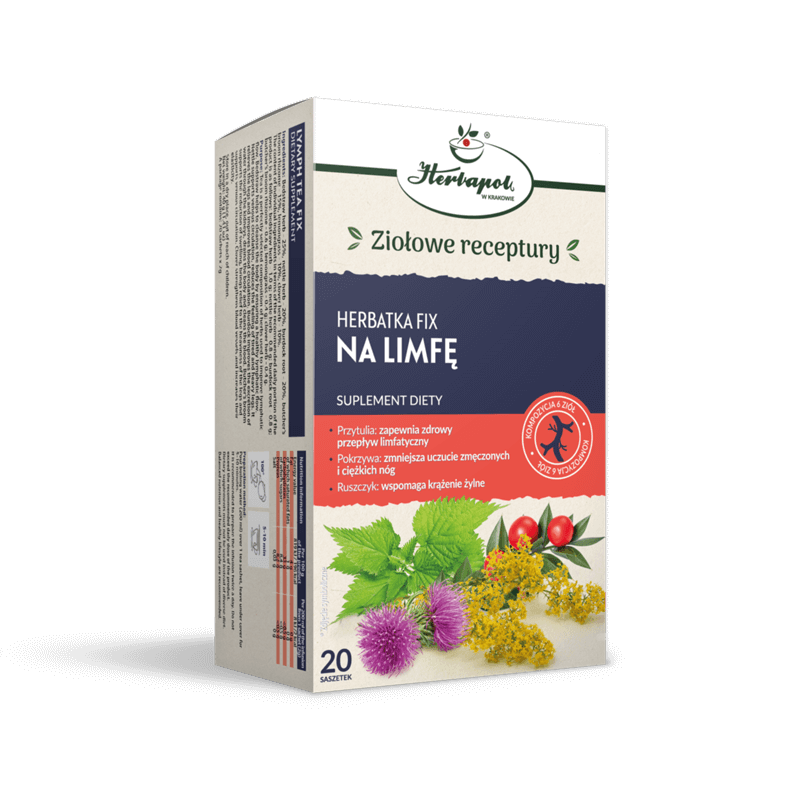
Tea for the Pancreas fix (20 × 2 g) 40 g - Herbapol Kraków
In our store you will find a wide selection of organic herbal teas – it is worth looking for blends composed specifically to support the digestive system, without artificial flavors and fillers.
5.5. Can probiotics support pancreatic health?
The link between gut microbiota and pancreatic health is one of the most actively researched areas in gastroenterology. The gut-pancreas axis (GPA) indicates that the state of the gut microbiota can influence inflammatory processes in the pancreas and insulin secretion function.
Some systematic reviews suggest that probiotic supplementation may reduce the risk of infectious complications in patients with acute pancreatitis by strengthening the intestinal barrier. However, the results are inconsistent and require further research; there are currently no clear clinical recommendations for the routine use of probiotics in pancreatic diseases.
Fermented foods – kefir, natural yogurt, pickles, kombucha – are a safe and valuable dietary supplement, supporting the diversity of the intestinal microbiota, which is proven to be important for overall metabolic health.

5.6. Chlorella, spirulina and green superfoods – do they matter?
Green algae and cereal grasses (chlorella, spirulina, green barley, matcha) are enjoying growing popularity as components of the daily diet. Their potential value in the context of pancreatic health stems primarily from:
- High chlorophyll content – which in vitro studies show antioxidant properties and may support the removal of free radicals
- Content of B vitamins and magnesium – important for glucose metabolism and beta cell function
- Prebiotic action – supporting the intestinal microbiota, which indirectly affects the intestinal-pancreatic axis
It's important to emphasize that direct clinical studies on the effects of chlorella or spirulina on the pancreas are sparse. However, their inclusion in the diet is safe and can be a valuable supplement to a diet rich in vegetables and fiber.

Greens Mix: chlorella, spirulina, green barley, matcha 300 g - Vilgain
6. Pancreas Support Supplements – Which Ingredients Make Sense?
Dietary supplements do not replace the treatment of pancreatic diseases or a well-balanced diet. However, they can replenish deficiencies, which are common in digestive and absorption problems, and provide substances with documented anti-inflammatory or protective effects. Below, we discuss the ingredients for which there is the most reliable scientific evidence.
6.1. Digestive enzymes – when is supplementation justified?
Of all the ingredients discussed here, digestive enzyme supplementation has the strongest justification—especially in cases of confirmed exocrine pancreatic insufficiency (EPI). When the pancreas doesn't produce enough lipase, amylase, and proteases, undigested nutrients are excreted instead of absorbed, leading to deficiencies and steatorrhea.
Prescription pancreatic enzyme preparations (so-called PERT – Pancreatic Enzyme Replacement Therapy ) are medications, not supplements – and in the case of EPI, they should be prescribed by a doctor. However, dietary supplements containing digestive enzymes (often of plant or fungal origin: bromelain, papain, enzymes from Aspergillus oryzae ) can support digestion in people without full-blown insufficiency but experiencing discomfort after meals.
Important: if EPI is suspected – fatty stools, significant weight loss, chronic diarrhea – a medical consultation and diagnosis are necessary, not self-supplementation.

For the Pancreas 90 capsules - Herbapol Kraków
6.2. Vitamin D – why is its deficiency particularly dangerous in pancreatic diseases?
Vitamin D is one of the most commonly deficient nutrients in the Polish population – it is estimated that over 90% of Poles are deficient during the autumn and winter months. In people with pancreatic disease, the problem is more profound: impaired fat absorption (which includes vitamin D as a fat-soluble vitamin) further exacerbates this deficiency.
The role of vitamin D extends beyond calcium metabolism. Vitamin D receptors (VDRs) are present in pancreatic cells, among others. Observational studies indicate that vitamin D deficiency correlates with increased inflammation and poorer prognosis in patients with chronic pancreatitis. Vitamin D also contributes to the normal functioning of the immune system and the maintenance of normal blood calcium levels, in accordance with EFSA-approved health claims (Regulation EU 432/2012).
Vitamin D3 (cholecalciferol) supplementation—ideally in combination with vitamin K2 (MK-7), which directs calcium to the bones rather than blood vessels—is recommended year-round by Polish scientific societies for most adult Poles. The standard preventive dose is 1000–2000 IU/day, although higher doses may be recommended if deficiency is confirmed—always after consulting a doctor.

Vitamin D3+K2 drops 30 ml - Aura Herbals
6.3. Omega-3 fatty acids – how do they affect pancreatic inflammation?
Omega-3 fatty acids EPA and DHA are among the most well-studied anti-inflammatory substances. Their mechanism involves competing with arachidonic acid (omega-6) for cyclooxygenase enzymes, leading to the production of less pro-inflammatory eicosanoids.
The anti-inflammatory effects of EPA and DHA are well documented in clinical trials on the cardiovascular system, and their mechanism of action is directly translated into reduced inflammation in other tissues, including the pancreas. Some systematic reviews suggest that omega-3 supplementation may reduce the severity of the inflammatory response in patients with acute pancreatitis, although the results are inconclusive and require further clinical research.

OLICAPS Omega-3 60 capsules - ForMeds
The best sources of EPA and DHA are fatty marine fish (salmon, mackerel, sardines) – consumed 2–3 times a week. Fish oil or algae oil supplements (vegan option) can complement a diet low in fish. According to EFSA-approved health claims, DHA and EPA contribute to maintaining normal heart function at a dose of 250 mg/day.
6.4. B vitamins – role in metabolism and pancreatic function
B vitamins act as coenzymes in key metabolic pathways, including carbohydrate, fat, and protein metabolism, which are directly related to pancreatic function. Their deficiencies are common in people with gastrointestinal diseases, particularly those leading to malabsorption.
| Vitamin | Role in the context of the pancreas | EFSA approved claim | Risk of shortage |
|---|---|---|---|
| B1 (thiamine) | Key to glucose metabolism; often deficient in alcohol abuse. | Contributes to proper energy metabolism | High in alcoholism and chronic pancreatitis |
| B6 (pyridoxine) | Participates in amino acid metabolism and homocysteine regulation | Contributes to the proper metabolism of proteins and glycogen | Moderate, increases with malabsorption |
| B12 (cobalamin) | Absorption depends on gastric intrinsic factor and pancreatic enzymes; deficiency common in EPI | It helps reduce the feeling of fatigue and the proper functioning of the nervous system. | High in EPI and inflammatory bowel disease |
| Folic acid (B9) | Participates in DNA synthesis and cell division, important in regenerative processes | Contributes to the proper metabolism of homocysteine and the function of the immune system | Moderate, higher with malabsorption |

BICAPS Vitamin B Complex 120 capsules - ForMeds
6.5. Quercetin – a promising flavonoid in pancreatic research
Quercetin is a polyphenol naturally found in onions, apples, capers, and tea. In vitro and animal studies have demonstrated potent anti-inflammatory and antioxidant properties, and its mechanism of action—similar to curcumin—involves inhibition of the NF-κB pathway.
In animal studies, quercetin significantly reduced the severity of inflammation and pancreatic tissue damage induced by cerulein. Clinical data in humans are limited to date; quercetin remains a promising substance but does not yet have strong clinical recommendations for use in pancreatic diseases.
The best way to increase your quercetin intake is to eat a diet rich in fruits and vegetables, especially onions, apples, and leafy greens. Quercetin supplements are available, but their use should be discussed with a doctor, especially if you are taking anticoagulant medications, which quercetin may interact with.
6.6. Probiotics in supplement form – what to choose?
As discussed in Chapter 5, gut microbiota and pancreatic health are linked through the gut-pancreatic axis. When choosing a probiotic supplement, it's worth considering several criteria:
- Confirmed strains – look for products with precisely identified strains (e.g. Lactobacillus acidophilus NCFM, Bifidobacterium lactis Bi-07), not just bacterial types
- CFU count – the minimum effective dose in clinical trials is typically 10⁹–10¹⁰ CFU (1–10 billion colony-forming units)
- Protection from stomach acid – enteric-coated capsules or microencapsulation technology increase bacterial survival in the intestine
- GMP certificate – a guarantee that the product contains the declared amount of live bacteria
In active pancreatitis, the use of probiotics should be discussed with a physician. The previous PROPATRIA study (Besselink et al., 2008, The Lancet ) showed increased mortality with probiotic use in severely ill patients with necrotizing pancreatitis in the hospital setting. This finding pertains to the specific, acute phase of the disease and does not translate to prophylactic use of probiotics by healthy individuals or those with mild digestive symptoms. However, it is an important warning sign.
6.7. How to approach supplementation for pancreatic problems? Practical tips
| Supplement | Level of evidence | When to consider? | Comments |
|---|---|---|---|
| Digestive enzymes | High (with EPI) | Confirmed or suspected EPI, digestive discomfort after fatty meals | EPI requires prescription medications (PERT), not supplements |
| Vitamin D3 + K2 | Tall | Virtually every adult in Poland, especially in autumn and spring | Determine the dose based on the 25(OH)D test. |
| Omega-3 (EPA+DHA) | High (anti-inflammatory effect) | A diet low in sea fish, inflammation, metabolic prevention | Min. 250 mg EPA+DHA/day according to EFSA; in case of anticoagulants – consult a doctor |
| B-complex vitamins | Moderate | Gastrointestinal diseases with malabsorption, history of alcoholism | It is worth checking your B12 level before supplementation. |
| Probiotics | Moderate | Dysbiosis, antibiotic therapy, general microbiota support | Contraindicated in acute, severe pancreatitis |
| Quercetin / Curcumin | Preliminary (in vitro/animal studies) | As a supplement for chronic inflammation, after consultation | Curcumin – with piperine for improved bioavailability; possible drug interactions |
7. Habits and lifestyle are key to pancreatic regeneration
Diet and supplementation are only part of the puzzle. The pancreas is an organ exceptionally sensitive to the daily rhythm of life – sleep quality, stress levels, physical activity, and hydration directly impact its functioning. Changing habits is more difficult than reaching for a supplement, but its effects are more lasting and profound.
7.1. Alcohol and cigarettes – why is elimination the number one priority?
No other lifestyle factor has such a direct and destructive impact on the pancreas as alcohol and smoking. Unlike most health recommendations, which advocate for restriction, there is no safe threshold for people with already damaged pancreas.
Alcohol: As discussed in Chapter 2, alcohol accounts for 70–80% of cases of chronic pancreatitis in Western countries. Even after the acute episode has resolved, returning to alcohol dramatically increases the risk of relapse and permanent pancreatic fibrosis. Abstinence is the only effective treatment, as confirmed by the European Society of Gastroenterology guidelines (UEG, 2017).
Smoking: A risk factor independent of alcohol for both chronic inflammation and pancreatic cancer. Quitting smoking reduces the risk of pancreatic cancer, with the effect being gradual and noticeable after several years of abstinence.
7.2. How does physical activity protect the pancreas?
Regular physical activity affects the health of the pancreas in many ways – regardless of weight loss:
- Improved insulin sensitivity – aerobic and strength training increases the expression of GLUT-4 glucose transporters in muscles, which reduces insulin demand and relieves the burden on pancreatic beta cells
- Reduction of visceral fat – abdominal obesity is one of the main risk factors for insulin resistance and gallstones; regular exercise effectively reduces it
- Anti-inflammatory effect – physical exercise stimulates the secretion of myokines (including interleukins IL-6 and IL-10 from muscles), which have documented systemic anti-inflammatory effects
- Reduction of oxidative stress – regular, moderate exercise increases the activity of endogenous antioxidant enzymes (SOD, catalase)
Systematic reviews indicate that regular physical activity is significantly associated with a lower risk of pancreatic cancer, regardless of BMI. The effect was most pronounced with moderate activity—at least 150 minutes per week, as recommended by the WHO.
Intense exercise is contraindicated in cases of active pancreatitis or immediately following an episode of acute pancreatitis. During the recovery phase, it's best to begin with walking and gradually increase the intensity under the supervision of a doctor or physiotherapist.
7.3. How to manage stress to protect the pancreas?
As discussed in Chapter 2, chronic stress exacerbates insulin resistance and inflammation through chronically elevated cortisol. The key, then, is not so much eliminating stress—which is impossible—but teaching the body to effectively recover from stressful episodes.
Techniques with proven effectiveness in reducing cortisol and inflammatory markers:
- Mindfulness Meditation – Meta-analyses show statistically significant reductions in anxiety, depression, and stress after 8-week MBSR (Mindfulness-Based Stress Reduction) programs
- Breathing training – diaphragmatic breathing techniques (e.g., the 4-7-8 method) activate the parasympathetic nervous system, lowering cortisol levels and heart rate
- Yoga – combines movement, breathing and relaxation; studies show a reduction in inflammatory markers (CRP, IL-6) with regular practice
- Walking in nature – so-called shinrin-yoku (forest bathing) – has been proven in research to lower cortisol and blood pressure.

Ashwagandha powder ORGANIC 500 g - Bio Planet
Ashwagandha ( Withania somnifera ) can be a helpful complement to relaxation techniques. In randomized clinical trials, supplementation with ashwagandha root extract significantly reduced serum cortisol levels and subjective stress compared to placebo. Ashwagandha may support the body's resistance to stress, although this adaptogenic effect does not equate to a direct effect on the pancreas.
7.4. Why is sleep quality important for the pancreas?
Sleep is the period during which the body conducts most of its repair processes, including tissue regeneration and hormonal regulation. Sleep deficiency has specific, documented metabolic consequences for the pancreas:
- Increased insulin resistance – clinical studies show that just one night with 4–5 hours of sleep can significantly worsen insulin sensitivity
- Increased cortisol – chronic sleep deprivation keeps the HPA axis in a state of increased activity, increasing insulin resistance
- Disturbances in the secretion of hunger hormones – sleep deprivation increases the level of ghrelin (hunger hormone) and decreases leptin (satiety hormone), which leads to excessive appetite and weight gain, indirectly burdening the pancreas
The recommended amount of sleep for adults is 7–9 hours per night (National Sleep Foundation). Consistency is just as important as duration – falling asleep and waking up at consistent times synchronizes the circadian rhythm, which directly regulates insulin secretion (insulin secretion has a distinct circadian rhythm).
If you have sleep problems, it is worth using natural methods of support before considering pharmacology:

Sleep Well Tea 30 g - Dworzysk
7.5. How much water should you drink and why does hydration support the pancreas?
Water is essential for the production of pancreatic juice—an enzyme-rich fluid secreted into the duodenum. Dehydration reduces the volume and fluidity of pancreatic secretions, which can promote thickening of pancreatic juice and the formation of protein plugs in the ducts—one of the mechanisms leading to chronic pancreatitis.
Practical tips for hydration for pancreatic problems:
- At least 1.5–2 liters of water per day during normal activity; more during physical exertion and in hot weather
- Still water as a base – carbonated water may increase flatulence in people with digestive disorders
- Herbal infusions contribute to the daily fluid balance and at the same time provide active substances (see chapter 5)
- Avoiding sweetened drinks – even "natural" fruit juices in large quantities burden the pancreas with fructose and simple sugars
- Alcohol dehydrates – each serving of alcohol disturbs water balance and at the same time directly damages the pancreas
7.6. Why does maintaining a healthy body weight protect the pancreas?
Obesity—especially abdominal obesity—is one of the strongest modifiable risk factors for pancreatic health. The mechanisms are multifaceted:
- Fatty infiltration of the pancreas (lipomatosis) – excess fat tissue may infiltrate the pancreatic parenchyma, impairing its function; this phenomenon is recognizable on ultrasound as "bright pancreas"
- Insulin resistance – visceral adipose tissue secretes pro-inflammatory adipokines (TNF-α, IL-6, resistin), which increase insulin resistance and burden beta cells
- Cholelithiasis – obesity increases the concentration of cholesterol in bile and reduces the contractility of the gallbladder, which promotes the formation of gallstones – the most common cause of acute pancreatitis
Losing just 5–10% of body weight in overweight individuals significantly improves insulin sensitivity and reduces the risk of gallstones, which translates directly into less pressure on the pancreas. However, the rate of weight loss is crucial: very rapid weight loss (e.g., through fasting) paradoxically increases the risk of gallstones through rapid changes in bile composition.

8. How to relieve the pancreas? Intermittent fasting, therapeutic fasting, and toxin reduction.
The pancreas doesn't have a "reset" button, but it does have something equally valuable: the ability to gradually rebuild function when relieved of the stressors that are overloading it. In this chapter, we discuss strategies that reduce the current load on the organ—giving it room to regenerate. This isn't a "detox" in the marketing sense, but rather a physiologically based approach.
8.1. Intermittent fasting and the pancreas – what does the research say?
Intermittent fasting (IF) is a nutritional strategy that alternates periods of eating with periods of complete or partial food abstinence. From a pancreatic physiology perspective, its appeal stems from one simple mechanism: during fasting, the pancreas doesn't need to produce either digestive enzymes or insulin , giving it time to repair itself.
The most widely tested IF protocols:
| Protocol | What does it involve? | Potential benefits for the pancreas | For whom? |
|---|---|---|---|
| 16/8 | 16 hours of fasting, eating in an 8-hour window | Improved insulin sensitivity, reduced fasting insulin levels | Healthy individuals or those with insulin resistance; easy to use daily |
| 5:2 | 5 days of normal eating, 2 days with a restriction to approximately 500–600 kcal | Weight reduction, improvement of the metabolic profile | People who are overweight and insulin resistant; requires more discipline |
| OMAD (one meal a day) | One meal a day, ~23 hours of fasting | Maximum pancreatic relief; strong autophagy induction | Only for healthy individuals with experience in IF; requires supervision. |
Clinical studies have shown that time-restricted eating (16/8 protocol with a morning window) significantly improved insulin sensitivity, blood pressure, and oxidative stress in men with prediabetes—without weight loss. This suggests that the metabolic benefits of IF stem not only from the caloric deficit but also from the fasting rhythm itself.
Another mechanism worth noting is autophagy – the process of "recycling" damaged cells and organelles, activated after approximately 14–16 hours of fasting. Studies on animal models indicate that autophagy plays a protective role in pancreatic cells, preventing their pathological activation. Cell biology studies indicate that autophagy mechanisms are crucial for the homeostasis of pancreatic beta cells.
When intermittent fasting is contraindicated:
- Active acute or chronic pancreatitis – in the acute phase, nutrition should be carried out under medical supervision, often using enteral nutrition
- Diabetes treated with insulin or sulfonylureas – risk of hypoglycemia; consultation with a diabetologist required before implementing IF
- Underweight or malnourished – fasting can worsen deficiencies
- Pregnancy and breastfeeding
- History of eating disorders
8.2. Does the time of eating matter for the pancreas?
Yes, and this is one of the less obvious but well-documented aspects of nutrition. The pancreas, like other organs, functions according to a circadian rhythm. Insulin secretion is most effective in the morning and mid-morning, and significantly weaker in the evening and at night.
Clinical studies have shown that an identical meal consumed in the morning results in a significantly lower insulin response than the same meal consumed in the evening. This means that eating in the evening and at night places a greater burden on the pancreas than eating the same amount of calories during the day .
Practical conclusions:
- It is best to plan your largest meal of the day for the morning or afternoon – not the evening.
- It is best to eat your last meal at least 2-3 hours before bedtime.
- Nighttime snacking is one of the most harmful eating habits for the pancreas.
8.3. How can I limit exposure to substances that burden the pancreas?
The pancreas is exposed not only to dietary toxins (alcohol, trans fats) but also to chemicals present in the environment and food. While complete elimination of exposure is impossible, it can be significantly reduced through specific choices.
Processed foods and food additives
Processed foods contain preservatives, colorants, flavor enhancers, and emulsifiers, the long-term effects of which on gut microbiota and inflammation are the subject of intense research. A diet based on ultra-processed foods (NOVA 4 classification) is associated with a higher risk of metabolic and inflammatory diseases, as confirmed by numerous observational studies and systematic reviews.
By choosing organic products with an ORGANIC certificate , we also limit exposure to pesticide residues—compounds that epidemiological studies have linked to a higher risk of type 2 diabetes and pancreatic disease. This doesn't mean that conventional foods are unsafe, but for people with already damaged pancreases, minimizing the additional burden makes sense.
Environmental toxins
- Plastic and BPA – Bisphenol A (BPA) is an endocrine disruptor that can affect the function of pancreatic beta cells; it is worth avoiding heating food in plastic containers and choosing products labeled BPA-free or glass packaging
- Heavy metals – cadmium and arsenic at high concentrations are toxic to the pancreas; exposure through food (especially rice and root vegetables from contaminated soils) is difficult to control, but organic certification reduces this risk
- Air quality at home – regularly airing rooms, avoiding synthetic air fresheners and chemical cleaning products reduces the overall body burden of toxins
In our store, we strive to offer only food products with credible organic certification, and in the superfoods and herbal teas categories, we strive to offer products free from pesticides and artificial additives. High-quality cleaning products based on natural ingredients are another step in reducing daily exposure to unnecessary chemicals.
8.4. Hydration during fasting – what to pay attention to?
When intermittent fasting, hydration becomes particularly important – only non-caloric drinks are allowed during the fasting window, but their choice is important for the comfort and effectiveness of the fast:
- Still water – the basis; it supports the production of pancreatic juice and the flushing of metabolites
- Herbal infusions without added sugar – mint, chamomile, green tea, digestive teas; they do not break the fast and provide active substances
- Black coffee without additives – does not break metabolic fasting; contains polyphenols with anti-inflammatory properties; moderate coffee consumption (2–3 cups per day) has been associated with a lower risk of chronic pancreatitis and pancreatic cancer in observational studies
- What to avoid – milk, juices, sweetened drinks (including "zero") and bone broths during the actual fasting window if we want to activate autophagy
8.5. Green drinks and chlorophyll as support for pancreatic relief
During periods of conscious digestive relief, many of our clients turn to green drinks based on algae and cereal grasses. Their advantage is nutrient density while reducing digestive burden —they provide vitamins, minerals, and chlorophyll with minimal demand for pancreatic enzymes.
Chlorophyll has been shown in vitro to have antioxidant properties and may help neutralize free radicals produced during inflammation. Spirulina also provides easily digestible protein and active vitamin B12 – a significant benefit when calorie restriction is associated with the risk of deficiencies.

Greens Mix: chlorella, spirulina, green barley without caffeine 300 g - Vilgain
A practical note: powdered green drinks are best prepared with water or unsweetened plant-based milk. Avoid mixing them with fruit juices – the high fructose content negates the benefits of these products' low glycemic load.
9. FAQ – frequently asked questions about pancreatic health
9.1. Can the pancreas completely regenerate after inflammation?
This depends on the type and extent of damage. After mild to moderate acute pancreatitis (AP), most patients regain full function of their pancreas, provided the underlying cause (alcohol, gallstones) is eliminated and appropriate treatment is given. It is estimated that approximately 80–90% of AP cases are mild and result in full recovery.
The situation is different with chronic pancreatitis (CP) – long-term damage leads to irreversible parenchymal fibrosis and permanent loss of some enzymatic and hormonal function. In this case, the goal of therapy is to halt further disease progression, not complete recovery. Time is of the essence: the sooner lifestyle changes and treatment are implemented, the greater the chances of maintaining the organ's function.
9.2. What tests should be performed to check the condition of the pancreas?
Basic diagnostics of the pancreas includes several levels:
- Blood tests: serum amylase and lipase – elevated in acute inflammation; complete blood count, CRP (inflammation marker), fasting glucose and HbA1c (assessment of endocrine function)
- Stool tests: fecal elastase-1 – the best non-invasive marker of exocrine pancreatic insufficiency (EPI); a result below 200 µg/g suggests EPI
- Abdominal ultrasound: a basic imaging test; it allows for the assessment of the size, echogenicity and structure of the pancreas and the detection of gallstones
- Computed tomography (CT) or magnetic resonance imaging (MRI/MRCP): if more serious structural changes, tumors or inflammatory complications are suspected
- Endoscopic Ultrasonography (EUS): the most accurate test for assessing the pancreas; recommended when cancer or chronic inflammation is suspected
At the first symptoms suggesting problems with the pancreas (epigastric pain, fatty stools, weight loss), it is worth starting with a general practitioner, who will order appropriate basic tests and, if necessary, refer you to a gastroenterologist.
9.3. Can intermittent fasting be used in patients with pancreatic diseases?
Intermittent fasting isn't suitable for everyone with pancreatic disease —and this is an important distinction. With active acute or chronic pancreatitis in the flare phase, nutrition should be strictly guided by a physician's recommendations—often using enteral or parenteral nutrition, rather than self-imposed fasting.
However, individuals in remission, without active inflammation, who are insulin resistant, or overweight may consider mild IF protocols (e.g., 16/8) after consulting with a physician or clinical dietitian. Particular caution is required for diabetes treated with insulin or sulfonylureas due to the risk of hypoglycemia.
9.4. Is coffee harmful to the pancreas?
Contrary to popular belief, moderate black coffee consumption is not harmful to the pancreas—in fact, observational studies suggest the opposite. Cohort studies and meta-analyses have shown that regular, moderate coffee consumption (2–3 cups per day) may be associated with a lower risk of pancreatic cancer and chronic pancreatitis.
The mechanism isn't fully understood – it's likely related to the polyphenol content and its antioxidant effects, as well as improved insulin sensitivity. Important caveats: coffee without sugar and without large amounts of heavy cream , and in moderation. Coffee can exacerbate symptoms in people with reflux or hyperacidity – it's worth monitoring your own reaction.
9.5. Does the pancreas "like" fasting and are it safe?
Short periods of fasting do relieve the pancreas—which makes biological sense (see Chapter 8). However, multi-day fasts without medical supervision are risky , especially for people with pancreatic disease. Sudden calorie restriction can:
- increase the risk of gallstones through rapid changes in the composition of bile
- lead to deficiencies of fat-soluble vitamins (A, D, E, K), which are already at risk in cases of malabsorption
- cause hypoglycemia in glucagon deficiency caused by pancreatic damage
A safe alternative is intermittent fasting in gentle protocols (16/8) or simply an extended overnight break between your last meal and breakfast – which most people can implement without any risk.
9.6. Are pancreas supplements safe during pregnancy?
Pregnancy requires special caution when taking any supplements. Among the ingredients discussed in the article:
- Vitamin D3 – recommended during pregnancy, dosage should be determined by the attending physician (usually 1500–2000 IU/day)
- Omega-3 fatty acids (DHA) – recommended during pregnancy; DHA is crucial for the development of the fetal brain and retina; minimum 200 mg DHA/day according to the PTGiP recommendations
- B vitamins, including folic acid – essential during pregnancy; folic acid is routinely recommended for pregnancy planning
- Digestive enzymes – insufficient data on safety during pregnancy; use only after consulting a doctor
- Herbs (milk thistle, turmeric, dandelion in large doses, ashwagandha) – safety in pregnancy not sufficiently documented; avoid or consult a doctor
As a general rule, any supplementation during pregnancy should be discussed with your doctor or midwife – even if the product is available over the counter.
9.7. How long will it take to see improvement after changing your diet?
The body's response time depends on the degree of pancreatic damage and the consistency of the implemented changes. Clinical observations and research provide the following approximate results:
- 2–4 weeks: improved digestive comfort – less bloating, easier digestion after meals, reduced discomfort after eating
- 4–8 weeks: improvement of metabolic parameters – stabilization of fasting glucose levels, improvement of insulin sensitivity with regular physical activity and a low-glycemic diet
- 3–6 months: significant improvement or normalization of inflammatory markers (CRP) with elimination of alcohol, smoking and an anti-inflammatory diet
- Above 6 months: in case of CP – stabilization of the disease and prevention of further fibrosis; full regeneration of the structure is possible only in case of mild damage
It's worth remembering that improvement in well-being often occurs faster than improvement in test results—and vice versa: normalization of laboratory parameters may precede noticeable relief from symptoms. Regular check-ups with a doctor are essential for objectively assessing progress.
9.8. Is the BIO certificate important for products for pancreatic health?
Yes – and it's not just a matter of marketing. The BIO organic certification (regulated by EU Regulation 848/2018) guarantees, among other things:
- no synthetic pesticides and herbicides in cultivation
- ban on the use of GMOs
- no synthetic preservatives, dyes and flavor enhancers in processing
- mandatory inspection and certification by an independent entity
For those concerned about the health of their pancreas—an organ particularly sensitive to environmental toxins and pro-inflammatory substances—choosing organic products is one of the simplest ways to reduce unnecessary burden on the body. This is especially important when it comes to herbs and products consumed regularly in large quantities, such as teas, spices, and superfoods.
10. Summary – what really helps the pancreas?
The pancreas is an organ that rarely shows signs of wear and tear until it begins to fail. Its regeneration is possible, but it requires consistency and time. There is no single supplement or product that will "heal" the pancreas—but there is a set of well-documented actions that, together, create an effective strategy for protecting and supporting this organ.
The most important conclusions from the article:
- Eliminating alcohol and smoking is an absolute priority – without this, no other actions will bring lasting results.
- Low-glycemic, easily digestible and anti-inflammatory diet – small, regular meals, limited saturated fats and simple sugars, more fiber, vegetables and healthy vegetable fats
- Herbs and natural substances (turmeric, milk thistle, ginger, black cumin) can be a valuable dietary supplement – but their effect on the pancreas is based mainly on preclinical studies; they do not replace treatment
- Targeted supplementation – vitamin D3, omega-3 and B vitamins have the strongest justification, especially in cases of confirmed deficiencies resulting from malabsorption
- Physical activity and stress management have anti-inflammatory effects and improve insulin sensitivity – two mechanisms that directly relieve the pancreas
- Circadian rhythm and sleep quality regulate the secretion of insulin and cortisol; their disruption is an underestimated but real factor that burdens the pancreas
- Intermittent fasting can be a helpful relief tool – but only in people without active inflammation and after consulting a doctor
Remember that all the methods described in this article are supportive and preventative . If you suspect pancreatic disease, experience persistent pain, fatty stools, or unexplained weight loss, don't delay seeing a doctor. Early diagnosis can be crucial for the prognosis.
11. Sources
Below is a list of sources that can be directly verified. Facts cited in the article, where no specific study is cited, are based on knowledge of physiology and gastroenterology consistent with the current state of science – but without the ability to attribute a single primary source, as indicated in the text by the phrases "studies indicate" or "studies on animal models."
- Besselink MG et al. (2008). Probiotic prophylaxis in predicted severe acute pancreatitis: a randomized, double-blind, placebo-controlled trial . The Lancet , 371(9613), 651–659. → PubMed
PROPATRIA study – one of the most widely cited in gastroenterology; PMID verified. - Commission Regulation (EU) No 432/2012 of 16 May 2012 establishing a list of permitted health claims made on foods. → EUR-Lex
EU regulatory document – publicly available, fully verifiable. - Regulation (EU) No 848/2018 of the European Parliament and of the Council on organic production and labelling of organic products. → EUR-Lex
EU regulatory document on BIO certification – publicly available, fully verifiable. - United European Gastroenterology (UEG). Evidence-based guidelines for the management of chronic pancreatitis (2017). → UEG
Official guidelines of the European Society of Gastroenterology – publicly available. - National Sleep Foundation. Sleep Duration Recommendations . → Sleep Foundation
Sleep recommendations for adults (7–9 hours) – publicly available. - World Health Organization (WHO). Physical activity recommendations for adults . → WHO
Recommendation of 150 minutes of moderate activity per week – official WHO document.
Note to the reader: This article cites a number of scientific studies, described in the text at the level of mechanism and study type (in vitro, animal models, clinical trials). If you want to verify specific claims, the most effective method is to search for keywords directly in PubMed or Google Scholar .
This article is for educational and informational purposes only. It does not replace medical advice or an individual consultation with a dietitian. If you experience symptoms of pancreatic disease, consult your doctor.