For many of us, ice cream is synonymous with summer, vacation relaxation, and childhood joy. It's no wonder – its creamy consistency and sweet taste can effectively lift our spirits even on the hottest days. Unfortunately, store-bought versions of this popular dessert often contain a lot of refined sugar, artificial colors, emulsifiers, and preservatives, which have little to do with a healthy lifestyle.
Fortunately, there's a perfect alternative – homemade ice cream , which you can make in your own kitchen using simple, natural ingredients. Not only does it taste delicious, but it also gives you complete control over what you eat. You can customize it to your needs: make it sugar-free, lactose-free, vegan, high-protein, or low-calorie. Best of all, you don't need specialized equipment or hours spent in the kitchen.

In this article, we'll show you how to easily make healthy and delicious ice cream at home. We'll show you which ingredients to have on hand, how to substitute sugar and cream, and how to achieve the perfect creamy consistency. You'll also find tried-and-true recipes that you can easily modify to suit your own preferences.
1. The Basics of Making Homemade Ice Cream
Before we move on to specific recipes, it's worth understanding the basics that will allow you to create truly delicious and creamy ice cream at home—even without a professional ice cream maker. Making your own ice cream is a process that offers a lot of freedom, but it's worth following a few rules that will determine the quality of the final result.
1.1. Equipment that will come in handy
The good news is that you don't need expensive equipment to make ice cream. In many cases, all you need is:
-
Blender – especially useful for fruit ice creams, "nice creams" and sorbets.
-
Hand or planetary mixer – will help you achieve a fluffy consistency, for example when whipping cream.
-
Popsicle molds – perfect for creating frozen desserts for kids.
-
Container with a lid – preferably shallow and wide, to facilitate even freezing.
-
Ice cream maker (optional) – makes the process faster and easier, but is not necessary.
1.2. Basic Ingredients – The Foundation of Every Recipe
The basis of most ice cream is a combination of fat, liquid, and something sweet. Here are the most common ingredients:
-
Milk and cream – a classic ice cream base, guaranteed creamy thanks to its fat content.
-
Natural or Greek yogurt – gives the ice cream a lightness and a delicate sourness.
-
Plant milks (e.g. coconut, almond, oat) – ideal for people avoiding dairy.
-
Frozen bananas – a great base for so-called “nice creams”, naturally sweet and creamy.
-
Peanut butter , avocado, coconut milk – alternative sources of fat and creaminess.

1.3. How to sweeten homemade ice cream?
Instead of reaching for white sugar, it is worth choosing healthier and natural options:
-
Honey or maple syrup – gentle, natural sweeteners (remember that honey is not suitable for children under 1 year of age).
-
Dates – perfect for blending, they add sweetness and fiber.
-
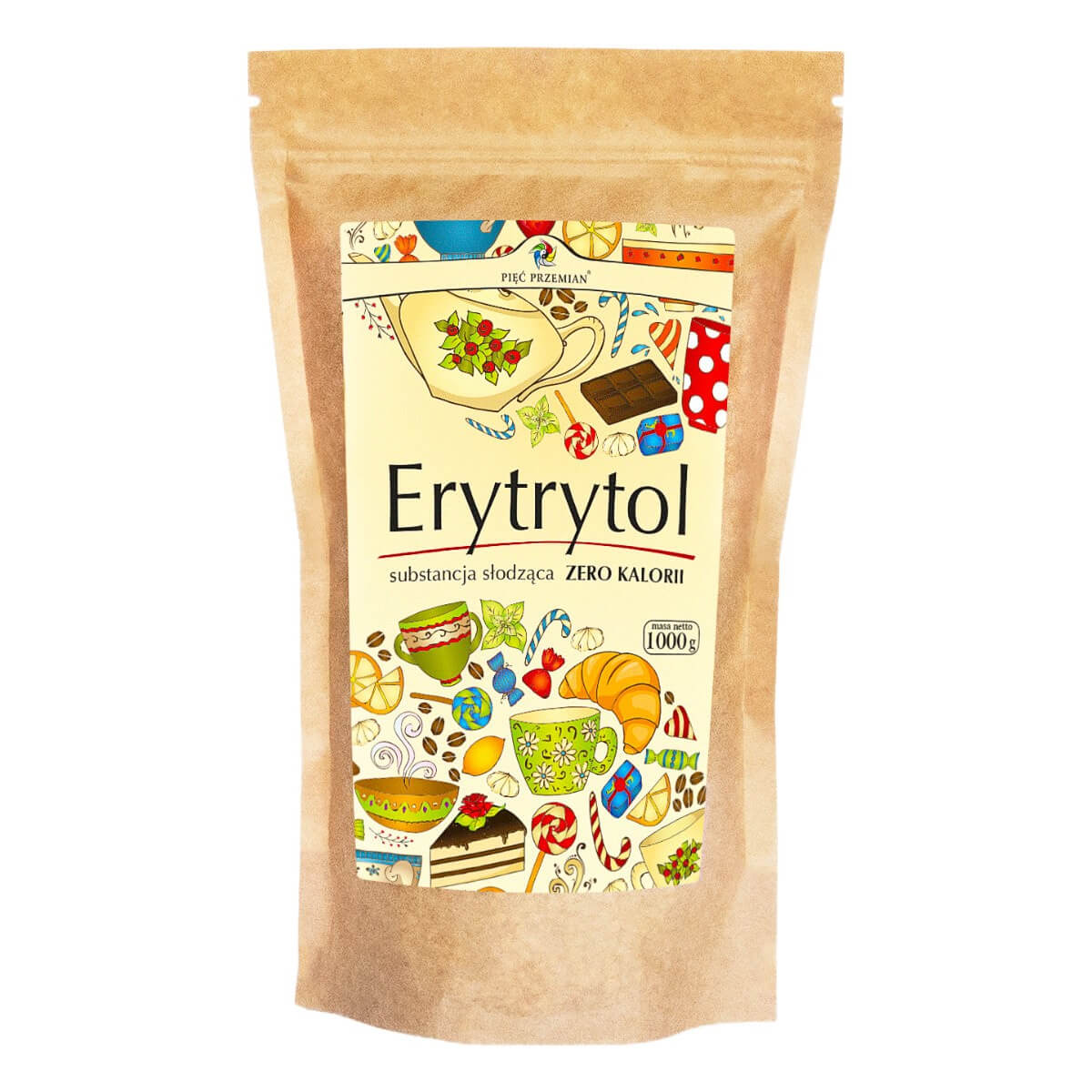
Erythritol or xylitol – low-calorie options suitable for diabetics.
-
Ripe fruits – mangoes, bananas, strawberries – provide natural sweetness and color.
1.4. How to get the perfect consistency?
Consistency is key to making homemade ice cream. Here are a few tips to help you avoid hard, dense ice cream:
-
Stir frequently while freezing – if you don't have a food processor, stir the mixture every 30–60 minutes for the first 3–4 hours. This will reduce the amount of ice crystals.
-
Adding fat or milk powder – fat makes the ice cream more velvety.
-
Adding alcohol (e.g., a tablespoon of liqueur) lowers the freezing point, making the ice cream softer. (Warning: For adults only!)
-
Store in a suitable container – preferably in an airtight container, with a piece of parchment paper or cling film on the surface of the ice cream.
Homemade ice cream doesn't require complicated techniques—all that matters is an idea, good ingredients, and a little patience. Now that you know the basics, it's time to get down to specifics! In the next part of this article, I'll show you how to make healthy versions of ice cream tailored to different needs—sugar-free, lactose-free, or vegan.
2. Healthy substitutes and dietary versions
Homemade ice cream is not only a culinary pleasure but also a great opportunity to take care of your health and customize your dessert to your individual preferences. Whether you're avoiding sugar, lactose, or animal products, or simply want to reduce the calorie count of your dessert, there are many ways to prepare delicious and nutritious ice cream in a healthy way .
2.1. Sugar-free ice cream – natural sweetness
Avoiding sugar doesn't mean sacrificing flavor. Homemade ice cream can be made with a variety of natural and healthier sweeteners that don't negatively impact blood sugar levels and are better tolerated by the body:
-
Erythritol, xylitol, and stevia are low-calorie and safe for diabetics. They don't cause sudden spikes in blood sugar.
-
Dates or date paste – a source of fiber, minerals and natural sweetness.
-
Bananas, mangoes, ripe pears – fruits that, when frozen and blended, create a sweet, creamy base without the need to add other sweeteners.
-
Agave syrup or maple syrup – a good solution for people who prefer liquid, mild-tasting sugar substitutes.
👉 Tip : remember that some sweeteners (e.g. xylitol) are toxic to animals – do not leave ice cream within reach of pets.

Dried pitted dates, organic, 1 kg - Batom
2.2. Vegan ice cream – dairy and egg free
Vegan ice cream is growing in popularity, not just among plant-based dieters. It's easily digestible, often hypoallergenic, and surprisingly creamy and delicious!
-
Plant-based milks : coconut (the creamiest), almond, soy, oat – the perfect base for creating different flavors.
-
Vegetable fat : canned coconut milk, peanut butter, avocado – improve the structure and taste of the ice cream.
-
Plant-based “eggs” : in some recipes, eggs can be replaced with, for example, flaxseed, aquafaba (chickpea water), or simply omitted altogether.
👉 Vegan ice cream combines perfectly with additions such as nuts, dates, cocoa, berries or coconut flakes.
2.3. Protein ice cream – for active people and athletes
If you care about your fitness, exercise regularly or simply want to increase your protein intake, you can prepare ice cream that, in addition to being enjoyable, will also provide valuable muscle building material .
-
Protein powder (e.g. whey, vegan, isolate) – preferably vanilla or chocolate, goes perfectly with fruit and peanut butter.
-
Skyras, Greek yogurts, silken tofu – great, natural sources of protein that give ice cream a creamy consistency.
-
Peanut butter or tahini – they enrich the flavor, add healthy fats and calories (important during intense physical activity).
👉 Proportion: approx. 1 scoop of conditioner per 250–300 ml of milk or yogurt base gives optimal results.

2.4. Lactose-free ice cream and ice cream for people with allergies
People with lactose intolerance, cow's milk protein allergy or other dietary restrictions can also enjoy homemade ice cream without the risk of discomfort:
-
We replace milk and cream with plant-based drinks .
-
Coconut cream works great as a fatty base.
-
Beware of additives! Check the ingredients of chocolate, granola, or peanut butter if you're using ready-made products.
2.5. Low-calorie fit ice cream
For people counting calories or on a reducing diet, ice cream can be a great alternative to other sweets, provided that we prepare it consciously:
-
Base of natural yogurt, skyra or sugar-free plant milk .
-
Lots of fruit – e.g. strawberries, raspberries, blueberries – add flavor and color, while being low in calories.
-
Avoiding fatty additives such as 36% cream, chocolate, caramel – unless in a light or homemade version.
Homemade ice cream offers endless possibilities – you can experiment with different ingredients, flavors, and toppings, tailoring the dessert to your lifestyle and needs. Best of all, you have complete control over what ends up on your plate (or in your bowl)!
In the next part of this article, we'll move on to the most enjoyable part – specific, proven recipes for homemade ice cream that you can easily make. Ready for some sweet inspiration?
3. Recipes for homemade ice cream
It's time to move on to the most delicious part of our guide – the ready-made recipes! Here, you'll find both classics and modern, healthy versions of ice cream. You can customize each one to your liking – change the fruit, sweeteners, or milk base. Let's get started!
3.1. Classic vanilla ice cream (no machine version)
Ingredients:
-
500 ml cream 30–36%
-
1 vanilla pod (or 1 teaspoon vanilla paste)
-
100 ml of milk
-
3 egg yolks
-
80 g cane sugar or xylitol
Execution:
-
In a pot, heat the milk with the cream, vanilla seeds and the pod (if using a natural one).
-
In a separate bowl, beat the egg yolks with sugar until light and fluffy.
-
Remove the milk mixture from the heat and slowly pour it into the egg mixture, stirring constantly.
-
Pour everything back into the pot and heat over low heat until the mixture thickens slightly (do not let it boil).
-
Set aside to cool, then refrigerate for 2–3 hours.
-
Once cooled, pour the mixture into a container and place it in the freezer. Remove and stir vigorously (e.g., with a whisk or mixer) every 30–40 minutes for the first 3–4 hours.
-
Leave the finished ice cream at room temperature for 5–10 minutes before serving.
Tip:
For a deeper flavor, you can add 1 teaspoon of vanilla extract or a dash of rum, which will also help achieve a soft consistency.
3.2. Strawberry ice cream with Greek yogurt
Ingredients:
-
400 g fresh or frozen strawberries
-
200 g Greek yogurt (preferably thick, natural)
-
2–3 tablespoons of honey or maple syrup
-
Juice of ½ lemon (optional, to cut the sweetness)

Execution:
-
If using frozen strawberries, thaw them partially. For fresh strawberries, wash and remove the stems.
-
Blend all ingredients in a blender until smooth.
-
Transfer the mixture to a container and place in the freezer.
-
For the first 2–3 hours, stir the mixture every 30–60 minutes.
-
Before serving, remove the ice cream from the freezer for a few minutes to make it easier to scoop.
Tip:
Instead of strawberries, you can use raspberries, blueberries, cherries, or mango. For an even healthier version, replace the Greek yogurt with skyr or plant-based yogurt.
3.3. Vegan chocolate ice cream with coconut milk
Ingredients:
-
1 can of coconut milk (full fat, min. 80% coconut extract)
-
2–3 tablespoons of cocoa
-
2 tablespoons maple or date syrup (or more to taste)
-
1 teaspoon vanilla extract
-
A pinch of salt
-
(Optional) chopped nuts, coconut flakes or dark chocolate pieces

Coconut drink (22% fat) ORGANIC 400 ml - TerraSana
Execution:
-
Blend all ingredients thoroughly or mix with a whisk until smooth.
-
Taste and add sweetener to taste.
-
Transfer to a container and freeze, stirring every hour for the first 3–4 hours.
-
Let stand at room temperature for a few minutes before serving.
Tip:
For a deeper, dessert-like flavor, add 1 tablespoon of peanut butter or a few drops of amaretto liqueur to the mixture.
3.4. Nice cream – banana ice cream in 5 minutes (vegan, sugar-free)
Ingredients:
-
3 very ripe bananas (frozen in pieces)
-
1–2 tablespoons of plant milk (e.g. almond or coconut) – only if the mixture is too thick
-
(Optional) additions to taste: peanut butter, cinnamon, cocoa, vanilla, blueberries

Execution:
-
Slice ripe bananas and freeze them for at least 4 hours (preferably overnight).
-
Place the frozen bananas in a blender or food processor and blend until smooth and creamy (approx. 1–2 minutes).
-
If the blender is having difficulty, add a little plant milk.
-
Serve immediately as a soft serve or place in the freezer for 1-2 hours to harden the ice cream and make it more compact.
Tip:
Nice cream is a brilliant base – you can add berries, peanut butter, raw cocoa , cinnamon , or even espresso. The version with frozen raspberries and a spoonful of coconut milk is a real hit!
3.5. Mango and Lime Sorbet (Vegan, Fat-Free)
Ingredients:
-
2 ripe mangoes (peeled and diced)
-
Juice of 1 lime (or lemon)
-
1–2 tablespoons maple syrup, agave syrup, or honey (optional)
-
1–2 tablespoons of water (if needed for blending)
Execution:
-
Freeze the sliced mango for a few hours (preferably overnight).
-
Place frozen mango pieces in a blender, add lime juice and optional sweetener.
-
Blend until smooth, adding a little water if necessary.
-
Serve immediately as a refreshing sorbet or place in the freezer for 1-2 hours for a firmer consistency.
Tip:
To achieve a "granita" effect, scrape the surface with a fork after freezing. You can also substitute pineapple, watermelon, or cantaloupe for the mango.
3.6. Protein ice cream with raspberries and vanilla
Ingredients:
-
250 g vanilla skyr yogurt (or natural + ½ teaspoon vanilla)
-
1 scoop of vanilla protein powder (approx. 25–30 g)
-
100 g frozen raspberries
-
1–2 tablespoons of milk (optional, to thin)
-
1–2 tablespoons erythritol or other sweetener (optional)

Bourbon Vanilla Powder 10g - Vilgain
Execution:
-
Place yogurt, egg whites, and frozen raspberries in a blender.
-
Blend until creamy. If the mixture is too thick, add a little milk.
-
Taste and sweeten if necessary.
-
Transfer to a container and freeze for 1–2 hours. Can also be eaten straight away in a soft serve.
Tip:
This ice cream is perfect for post-workout—it's light, filling, and high in protein. You can substitute blueberries or cherries for the raspberries, and for extra creaminess, add a spoonful of peanut butter.
3.7. Coconut and raspberry ice cream on a stick
Ingredients:
-
1 can of coconut milk (full fat, chilled)
-
200 g raspberries (fresh or frozen)
-
2–3 tablespoons of agave syrup or honey
-
1 teaspoon vanilla extract
-
Ice cream molds and sticks

Execution:
-
Blend the raspberries with 1 tablespoon of sweetener until you have a thick puree. You can press the puree through a sieve to remove the seeds.
-
In a separate bowl, whisk together the coconut milk, vanilla, and remaining sweetener until smooth.
-
Pour layers into the molds: first raspberry mousse, then coconut mousse, mixing gently for a marbled effect.
-
Insert the sticks and freeze the ice cream for at least 6–8 hours.
-
To easily remove the ice cream from the molds, dip them in warm water for a few seconds.
Tip:
Instead of raspberries, you can use blueberries, strawberries, or mango. The coconut-blueberry version tastes like a mini piña colada.
3.8. Avocado and Lime Ice Cream (Vegan, Super Creamy)
Ingredients:
-
2 ripe avocados
-
Juice and zest of 1 lime
-
200 ml coconut milk
-
2–3 tablespoons of maple or date syrup (or honey if you don't care about the vegan version)
-
1 teaspoon vanilla extract
-
A pinch of salt

Maple syrup C dark organic 250 ml (330 g) - Bio Planet
Execution:
-
Peel the avocado, remove the seeds and put it in a blender.
-
Add the remaining ingredients and mix until you obtain a silky smooth, velvety mass.
-
Transfer the mixture to a container and freeze. For the first 2–3 hours, stir every 30–60 minutes to prevent ice crystals from forming.
-
Before serving, take the ice cream out a few minutes before serving to make it easier to scoop.
Tip:
This ice cream is a healthy nutritional powerhouse – thanks to the avocado, it's full of healthy fats and exceptionally creamy. You can also add a few mint leaves for a fresh touch.
3.9. Yogurt ice cream with granola and fruit (breakfast ice cream!)
Ingredients:
-
300 g thick natural yogurt (e.g. Greek or plant-based coconut yogurt)
-
100 g of your favorite granola
-
150 g of fruit (blueberries, strawberries, raspberries)
-
2 tablespoons of honey, date syrup or xylitol
-
Ice cream molds (preferably silicone)

Execution:
-
Mix yogurt with honey or sweetener.
-
Place layers into the molds: first some fruit, then yogurt, and finally granola – pressing lightly.
-
Repeat layers until the mold is filled.
-
Insert sticks and freeze for at least 4–6 hours.
-
Before serving, remove from the tin and enjoy an icy, healthy breakfast.
Tip:
This is a great healthy snack option for kids – colorful, natural, and free from artificial additives. You can also add chia seeds or peanut butter.
As you can see, homemade ice cream doesn't have to be difficult, time-consuming, or fattening. Thanks to a variety of recipes, you can create versions tailored to your needs—classic, vegan, high-protein, or low-calorie. The biggest advantage of homemade ice cream is complete control over the ingredients: you choose fresh, natural ingredients and forgo preservatives, colorings, and excess sugar.
It's also a great way to spend time with family - children love creating their own flavor combinations, and adults can experiment with spices , alcohols, and superfoods .
4. Practical advice
While making ice cream at home is pure pleasure, it's worth knowing a few tried-and-true tricks and techniques that will make yours even better—creamier, easier to scoop, and above all... delicious. Below, you'll find a set of practical tips that will help you achieve perfect results, regardless of the recipe.
4.1. How to Get a Creamy Consistency Without an Ice Cream Maker
An ice cream maker mixes the mixture during freezing, which reduces ice crystal formation and adds creaminess. But don't worry – you can also achieve a similar effect at home:
-
Stir the mixture every 30–60 minutes for the first 3–4 hours of freezing. Use a whisk, a fork, or preferably a mixer. This will break up any crystals and aerate the mixture.
-
Add ingredients to prevent crystallization , e.g. honey, alcohol (e.g. liqueur, rum – approx. 1 tablespoon), condensed milk or vegetable fats (e.g. peanut butter, avocado, coconut milk).
-
Avoid adding too much water – the more water in the ingredients (e.g. fresh fruit), the greater the risk of hard crystals forming.
4.2. Storing Homemade Ice Cream – How to Keep It Fresh and Tasty
-
Use airtight containers with lids – preferably glass or silicone. Plastic works too, but may transfer odors.
-
Cover the top of the mixture with parchment paper or cling film – this will reduce the risk of ice crystals forming on the surface.
-
Don't keep ice cream in the freezer for too long – it's best to eat it within 7–10 days. Over time, it can lose flavor and aroma, and its texture will become less pleasant.
-
Label containers and record the preparation date , especially if you are making several flavors at once.

4.3. What should I do if my ice cream is too hard after freezing?
This is normal – most homemade ice cream becomes rock-hard after prolonged use in the freezer. But there are ways to fix this:
-
Take them out 5-10 minutes before you plan to serve them and let them soften a bit at room temperature.
-
Freeze ice cream in shallow, wide containers so it thaws faster.
-
Add a little alcohol or honey to the recipe – they lower the freezing point and add softness.
4.4. How to diversify recipes and create your own flavor compositions
Homemade ice cream offers almost endless possibilities for customization. Here are a few ideas:
-
Add spices: cinnamon, cardamom, ginger, vanilla , tonka bean, chili (for chocolate!) – these are great ways to enhance the flavor.
-
Mix textures: combine a smooth base with crunchy toppings (nuts, granola, crushed biscuits).
-
Experiment with herbs and flowers: mint, basil, lavender or rose – they combine well with citrus fruits, for example.
-
Swap milk bases: you can replace classic milk with coconut, almond, oat or banana.
-
Create layers and colors: layer fruit and cream mixtures in molds to create marbled or rainbow ice cream effects.
4.5. Working with children in the kitchen – ice cream as a shared activity
Homemade ice cream is a great way to cook with your little ones. Here are some tips:
-
Let the children choose the ingredients and decorations.
-
Encourage them to create their own flavors – for example, “princess ice cream” with pink yogurt and strawberries or “superhero ice cream” with blueberries and banana.
-
Use silicone molds in different shapes – kids love them.
-
Take care of their safety – do not leave them alone near hot pots, knives or a mixer.
Making ice cream at home is not only a culinary pleasure but also a creative outlet for experimentation. With the tips above, your ice cream will not only be delicious but also beautiful, healthy, and pleasant in texture.
Remember – you don't have to be a professional to create something special. Sometimes all you need is a blender, a few natural ingredients, and a little imagination!
5. Ideas for additions, sprinkles and toppings
While homemade ice cream can be delicious on its own, the right toppings can transform it into a true work of culinary art. Sprinkles, toppings, and various flavor accents allow you to diversify the flavor, add interesting textures, and surprise guests with unusual combinations.
In this section you will find both classic and more innovative inspirations – from healthy superfoods to eye-catching decorations.
5.1. Classic accessories – they always work
-
Chopped nuts : hazelnuts, walnuts, almonds, pistachios – you can roast them for a deeper flavor.
-
Grated chocolate or chocolate chips : milk, dark, white – they go perfectly with vanilla and fruit.
-
Coconut flakes : delicate flavor and crunchiness, perfect for mango, raspberry, and banana ice cream.
-
Waffles and waffle rolls : as a base or decoration that can be eaten with ice cream.
-
Colorful sprinkles : especially popular with children – but it is worth choosing natural versions without artificial colors.

5.2. Toppings – hot and cold, sweet and savory
🟤 Homemade chocolate icing
Ingredients:
-
100 g dark chocolate
-
2 tablespoons of coconut oil
-
1 tablespoon maple syrup
Preparation: Melt the ingredients in a water bath, let cool and pour over the ice cream – a crispy crust will form.
🍯 Date caramel (fit version)
Ingredients:
-
10 soaked dates
-
1/3 cup of plant milk
-
a pinch of salt, optional vanilla
Directions: Blend everything until smooth. A perfect addition to banana and nut ice cream.
🍓 Fruit puree
Blended raspberries, strawberries or mango with a bit of lemon juice and honey – a fresh, light sauce that will add a distinctive flavor to ice cream.
🍶 Yogurt topping with honey and vanilla
Mix thick natural yogurt with honey and vanilla – a perfect topping for fruit ice cream, e.g. blueberry or peach.
5.3. Healthy Super Additives – For Those Who Want More
-
Chia seeds – add crunch and are also a source of fiber and omega-3 fatty acids.
-
Bee pollen – a natural flavor and nutritional enhancer, especially suitable for fruit ice cream.
-
Almond or coconut flakes – delicate and elegant.
-
Dried fruit – e.g. chopped apricots, cranberries, raisins (it is best to soak them first).
-
Blended spirulina or matcha – as a green, slightly earthy topping for citrus or coconut ice cream.
5.4. Eye-catching decorations – for the aesthete and gourmet
-
Edible flowers – violets, pansies, lavender flowers – look beautiful and bring a subtle aroma.
-
Citrus zest – grated lime, lemon or orange zest adds freshness.
-
Caramelized fruits or nuts – e.g. bananas in caramel, almonds in honey with sea salt.
-
Balsamic sauce with strawberries – a bold but incredibly tasty combination of sweet and sour.

5.5. Ready-made compositions – ideas for complete serving
-
Yogurt ice cream + honey + walnuts + cinnamon
-
Chocolate ice cream + espresso topping + almond flakes
-
Strawberry ice cream + raspberry mousse + edible flowers + mint leaves
-
Coconut ice cream + mango + coconut flakes + lime
-
Banana ice cream + peanut butter + dark chocolate pieces
Additions and toppings aren't just the icing on the cake, but often the key to creating exceptional ice cream—ones that will be remembered for a long time. Whether you opt for classics or want to surprise yourself and your guests with an unusual combination of flavors, remember: what matters is creativity, quality ingredients, and the joy of experimentation.
6. Summary
Ice cream is an inseparable symbol of summer, joy, and childhood carefreeness – but it doesn't have to be associated only with store-bought desserts full of sugar and artificial additives. As this article demonstrates, making ice cream at home is not only possible, but also truly simple, satisfying, and full of benefits.
Homemade ice cream allows you to have complete control over the ingredients – you can create healthy, diet, vegan, or sugar-free versions. You can customize the flavor to your own preferences, avoid allergens, reduce sugar, or add your favorite superfoods. What's more, it's a fantastic way to engage children in the kitchen and show them that healthy desserts can be just as delicious—if not tastier!—than store-bought versions.
With the recipes and tips gathered in this article, you'll have a solid foundation, but the real fun lies ahead. Homemade ice cream offers boundless scope for creativity: from classic vanilla, through exotic mango and coconut, to surprising herbal and fruit combinations, or savory flavors with added spices.
I encourage you to experiment, play with flavors, and rediscover ice cream—not as a processed product from the freezer, but as a healthy, homemade dessert made with love. Whether you make it with a blender, a food processor, or just a spoon and the freezer—every batch of homemade ice cream tastes better. Because it tastes like home.