Contents
- The origins of coffee and its types
- Calories and caffeine
- Health benefits of coffee
- Who should avoid drinking coffee?
- Does coffee deplete magnesium?
- What is green coffee?
- Summary
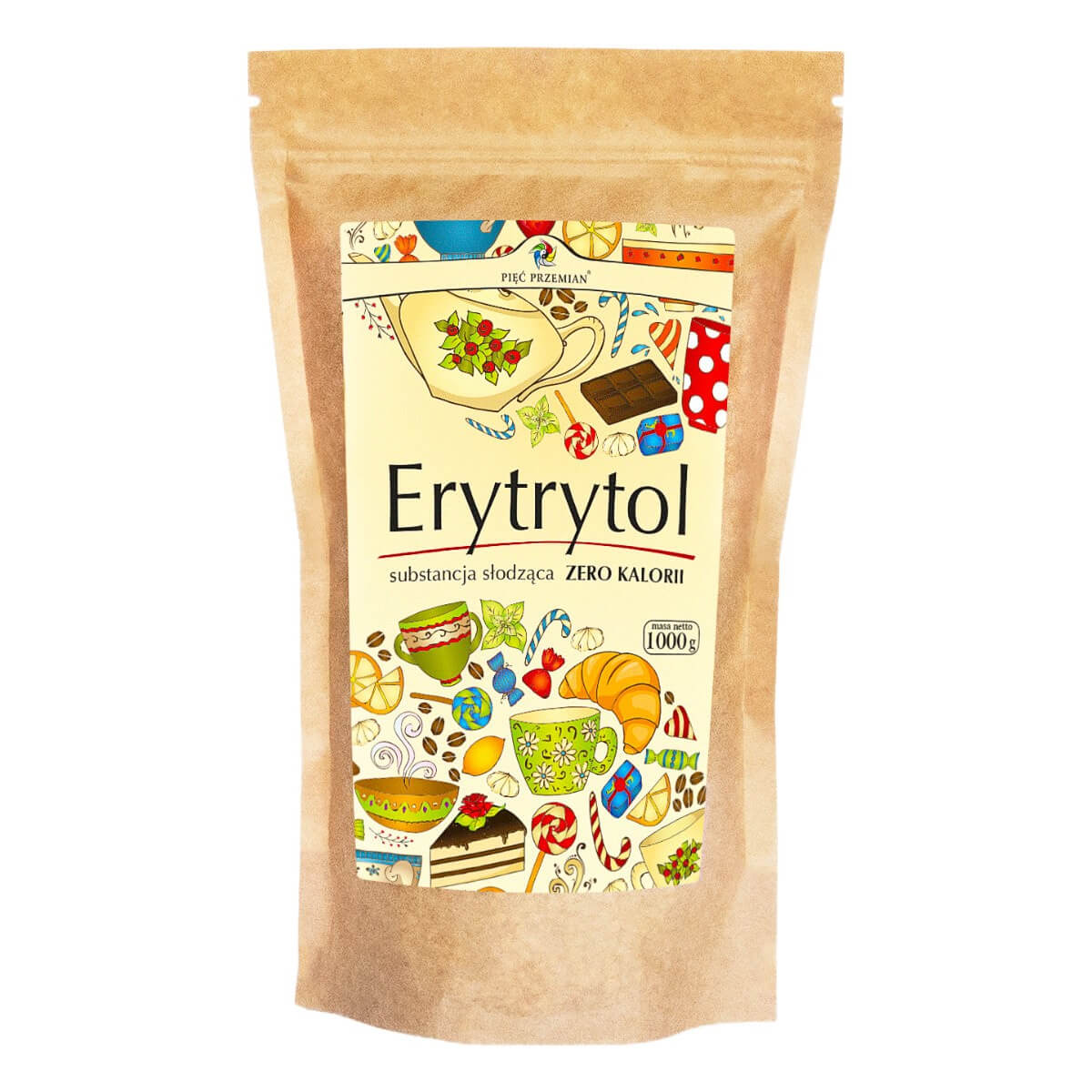
Coffee is a drink that awakens our senses every morning and accompanies us throughout the day. Some sweeten it with regular sugar, others with xylitol , erythritol , or other sweeteners, and still others don't use it at all, enjoying its natural flavor. But where does this plant come from and how does it affect our bodies? We present the health benefits of coffee and answer the most frequently asked question: how many calories and caffeine does coffee contain?
The origins of coffee and its types
The history of coffee dates back a long way, with the first traces of this aromatic beverage found in Ethiopia, where coffee grew wild. Legend has it that a shepherd discovered the effects of coffee after observing his goats gain energy after eating the red berries of the coffee tree. Coffee then spread to Arabia, from where it spread to other continents. Today, it is consumed by millions of people worldwide in various forms.

There are a variety of coffee varieties on the market, differing in both origin and preparation method. The most popular are Arabica and Robusta. Arabica is more delicate and aromatic, while Robusta has a stronger flavor and higher caffeine content.
The flavor of coffee depends on many factors, such as the type of bean, roasting method, grind size, and brewing method. Coffee from different regions of the world can have different flavor profiles, ranging from floral and fruity to earthy and spicy.
Calories and caffeine
Does coffee have calories? The answer is: it depends. It depends on how it was prepared. Pure black coffee contains virtually no calories, but additives like milk and sugar can increase its caloric value. If you want to change your eating habits and lose weight, avoid coffee with whipped cream and caramel sauce from a popular chain store. Swap it for black coffee with a plant-based beverage or sweetener.
Regarding caffeine content, a cup of coffee can contain between 80 and 120 mg of caffeine, depending on the type of bean and preparation method. The recommended daily caffeine intake for an adult is 300-400 mg. Our body's sensitivity to caffeine also depends on age, gender, body weight, and metabolism. Generally speaking, a safe daily intake would be 3-4 cups of this aromatic beverage, without worrying about the negative effects of caffeine on your health.
Health benefits of coffee
Coffee not only stimulates our senses but can also provide health benefits. A meta-analysis suggests that moderate coffee consumption may reduce the risk of cardiovascular disease, cancer, and neurological conditions such as Parkinson's, Alzheimer's, and depression. The same applies to metabolic conditions such as type 2 diabetes, gallstones, and liver cirrhosis.

This beverage should be viewed more broadly than just a cup of caffeine, which is coffee's most well-known ingredient. In addition, coffee contains over 1,000 bioactive antioxidants. What compounds are responsible for coffee's health benefits?
Above all:
- chlorogenic acid,
- diterpenes,
- cafestol,
- kahweol.
And it doesn't matter whether it's brewed coffee, instant coffee, Brazilian coffee or organic coffee .
Who should avoid drinking coffee?
Although coffee is generally a healthy drink, not everyone should consume it. Who should avoid drinking coffee?
- Pregnant women: Excessive caffeine consumption should be avoided during pregnancy. The maximum recommended dose is 200 mg/day, and remember that tea, cola, and cocoa also contain caffeine. Consuming excessive amounts of caffeine can result in reduced birth weight and, in the worst case, even miscarriage.
- People struggling with digestive issues: in this case, it's not about the coffee itself, but rather the caffeine. If you struggle with irritable bowel syndrome or other similar conditions, avoid coffee or other caffeinated beverages.
- Children: Children typically have a lower body weight and should therefore consume less caffeine than adults. The maximum caffeine intake should be 2.5 mg per kilogram of body weight, and it's important to remember that children also obtain caffeine from many other sources.
Does coffee deplete magnesium?
The answer to this question is a bit more complex. Coffee depletes magnesium, but it also provides it. And it provides significantly more than it depletes. And again, caffeine is responsible for depleting magnesium.
How much of it is flushed out? Very little. One study on this topic showed that consuming 400 mg of pure caffeine was responsible for the body's excretion of approximately 4 mg of magnesium. Let's emphasize that 400 mg of pure caffeine. So let's even assume an upper limit – let's say a cup of coffee contains 120 mg of caffeine, and we consume three such cups a day. This way, we will lose less than 4 mg.

How much magnesium does coffee provide? A cup of espresso provides about 25 mg, and a 200 ml cup of regular black coffee provides about 7 mg of this mineral. So, as you can see, the magnesium intake from coffee will always be positive, not negative, contrary to popular belief.
Remember, however, that coffee shouldn't be the main source of magnesium in your diet. In our store, you'll find products that provide significantly higher amounts, such as organic nuts , natural chocolate , and organic cocoa .
What is green coffee?
It's a relatively popular product among those seeking to lose weight. Green coffee is made from unroasted coffee beans, which contain large amounts of caffeine and the previously mentioned chlorogenic acid. Roasting the beans reduces the amount of this acid, which is responsible for coffee's health benefits. Additionally, it contains higher amounts of antioxidants, which are important for physically active people.
Summary
Coffee, while some may associate it with a morning wake-up call and others with relaxing at a café, is a beverage with many health benefits. The flavor of coffee is the result of a complex process involving many factors, such as the origin of the beans and the brewing method. When drinking this beverage, keep in mind a conscious diet and balanced caffeine intake.
Sources:
- A. Matras - "Eat normally. Achieve more."
- J. Mizera, K. Mizera - "Sports dietetics. What to eat to train more effectively."
- https://www.youtube.com/watch?v=0jCDZfh9JS8