The article was updated on 2026-03-19
Sea buckthorn oil is one of the few plant oils containing palmitoleic acid (Omega-7) – an ingredient rarely found in the plant world, naturally present in human mucous membranes and skin. Thanks to this, as well as its high content of carotenoids and tocopherols, it stands out from other oils in terms of both composition and applications.
In this article, you will find reliable information on the difference between sea buckthorn seed oil and pulp oil, what active ingredients it actually contains (and what it doesn't – contrary to popular belief), who it is particularly recommended for, and how to use it safely externally and orally. We will also discuss contraindications and interactions that are worth knowing before purchase.

1. Sea buckthorn seed oil or pulp oil – what's the difference?
Sea buckthorn oil can be extracted from two different parts of the fruit – the seeds or the pulp. Both products have different compositions, colors, and properties, so it's worth knowing their differences and which one best suits your needs before purchasing.
1.1. Sea buckthorn seed oil
Seed oil is obtained by pressing the small, hard kernels from inside sea buckthorn fruits (Hippophae rhamnoides). The most valuable oil is cold-pressed – a process without high temperatures that preserves the full composition of fatty acids and bioactive compounds.
Seed oil is characterized by a relatively high content of Omega-3 and Omega-6 fatty acids (essential unsaturated fatty acids, EFAs), has a lighter, yellowish color, and a lighter consistency. This makes it suitable for both oral supplementation and sensitive, delicate skin care.
1.2. Sea buckthorn pulp oil
Pulp oil is extracted from the outer, fleshy layer of the fruit. This type of oil is responsible for the characteristic, intense orange color – it results from the exceptionally high content of carotenoids, including beta-carotene and lycopene.
Pulp oil contains more palmitoleic acid (Omega-7) – an ingredient rarely found in plants, which supports the regeneration of mucous membranes and the skin's lipid barrier. It is also rich in tocopherols (vitamin E) and phytosterols.
Important note: Contrary to popular belief, sea buckthorn pulp oil is not a rich source of vitamin C. Vitamin C is a water-soluble compound – it does not penetrate into the fatty fraction during pressing. However, sea buckthorn juice and preparations made from whole fruits have a high vitamin C content.
1.3. Why is cold pressing important?
Both seed oil and pulp oil are produced using the cold-pressing method (without heating the raw material). High temperatures during extraction lead to the degradation of sensitive ingredients – primarily carotenoids, tocopherols, and polyunsaturated fatty acids. Therefore, when purchasing, it is worth looking for the designation "cold-pressed" on the label.
1.4. Seed oil vs. pulp oil – comparative table
The table below summarizes the most important differences between the two types of oil, which will help you choose the right product for your needs.
| Feature | Seed Oil | Pulp Oil |
|---|---|---|
| Color | Yellowish to golden | Intense orange |
| Dominant fatty acids | Omega-3 (ALA), Omega-6 (LA) | Omega-7 (palmitoleic acid), Omega-9 |
| Carotenoid content | Low | Very high |
| Risk of skin discoloration | Low | High – dilute with another oil |
| Consistency | Light, fluid | Thicker, more oily |
| Main cosmetic use | Care for sensitive and delicate skin | Intensive regeneration, mature and dry skin |
| Oral use | Yes – EFA supplementation | Yes – carotenoid and Omega-7 supplementation |
| Especially for whom? | Sensitive, delicate skin, people concerned about their dietary fatty acid profile | Mature, dry skin, post-procedure; menopausal women |
2. What does sea buckthorn oil contain? Composition and active ingredients
Sea buckthorn oil (especially from the fruit pulp) is one of the richest plant oils in bioactive ingredients available on the market. Its uniqueness stems from a rare combination of carotenoids, tocopherols, phytosterols, and fatty acids – including palmitoleic acid (Omega-7), which is not commonly found in other plant oils.

Siberian Sea Buckthorn Oil 100 ml – Pro Aktiv
2.1. Carotenoids – where does the orange color come from?
Sea buckthorn pulp oil contains an exceptionally high concentration of carotenoids – these are what give it its intense orange color. The composition primarily includes:
- Beta-carotene – a precursor to vitamin A in the body; contributes to the maintenance of normal skin and normal vision (EFSA approved health claim).
- Lycopene – one of the most potent carotenoid antioxidants; may support cell protection against oxidative stress.
- Zeaxanthin and lutein – carotenoids associated with eye health, present in smaller amounts.
It is precisely the high carotenoid content that means sea buckthorn pulp oil can cause orange skin discoloration when applied externally in high concentrations – which is why it is usually diluted with another carrier oil.
2.2. Fatty acids – a unique Omega combination
Sea buckthorn oil stands out due to its fatty acid profile, which is difficult to find in other plant oils. Pulp oil primarily contains:
- Palmitoleic acid (Omega-7) – this is the rarest and most characteristic ingredient of sea buckthorn pulp oil. In the human body, Omega-7 naturally occurs, among other places, in mucous membranes, which has piqued researchers' interest in terms of supporting their condition.
- Oleic acid (Omega-9) – supports the regeneration of the skin's lipid barrier and prevents excessive water loss from the epidermis (TEWL).
- Linoleic acid (Omega-6) – an essential unsaturated fatty acid that the body cannot synthesize on its own.
- α-linolenic acid (Omega-3) – another essential fatty acid, present in smaller amounts than in seed oil.
2.3. Tocopherols (vitamin E)
Sea buckthorn oil is a good natural source of tocopherols and tocotrienols – compounds classified as vitamin E. Vitamin E contributes to the protection of cells from oxidative stress (EFSA approved health claim). In a cosmetic context, tocopherols support skin health and slow down its aging processes.
2.4. Phytosterols
Phytosterols are plant compounds structurally similar to cholesterol. Sea buckthorn oil contains, among others, beta-sitosterol and campesterol. Phytosterols contribute to the maintenance of normal blood cholesterol levels – this is an EFSA approved health claim, valid with a daily intake of 0.8g of phytosterols. However, it is worth noting that the phytosterol content in a typical daily dose of sea buckthorn oil is relatively small.
2.5. Flavonoids and other polyphenol compounds
Sea buckthorn oil also contains flavonoids (including isorhamnetin, quercetin) and other polyphenol compounds with antioxidant properties. However, their concentration is higher in the juice and extracts of the fruits than in the oil itself.
2.6. What is not in sea buckthorn oil – popular myths
Several beliefs have grown around sea buckthorn oil that are worth clarifying:
- Vitamin C – this is the most frequently repeated myth. Sea buckthorn fruits are an exceptionally rich source of vitamin C (juice, puree), but vitamin C is a water-soluble compound and does not penetrate into the fatty fraction during oil pressing. Sea buckthorn oil contains practically no vitamin C.
- Minerals – potassium, phosphorus, and other minerals present in sea buckthorn fruits also remain in the aqueous fraction and do not pass into the oil in significant amounts.
| Ingredient | Role in the body / on the skin | Presence in pulp oil |
|---|---|---|
| Beta-carotene (provitamin A) | Maintenance of normal skin and vision (EFSA) | Very high |
| Vitamin E (tocopherols) | Protection of cells from oxidative stress (EFSA) | High |
| Palmitoleic acid (Omega-7) | Support for mucous membrane condition and skin lipid barrier | High (characteristic feature) |
| Oleic acid (Omega-9) | Regeneration of the epidermal lipid barrier, prevention of TEWL | High |
| Phytosterols | Maintenance of normal cholesterol levels (EFSA) | Present |
| Flavonoids | Antioxidant properties | Trace |
| Vitamin C | Abundantly present in fruits and juice – does not transfer to oil | Absent / trace amounts |
3. What are the properties of sea buckthorn oil?
Sea buckthorn oil is distinguished by a wide range of properties, which directly result from its composition – high content of carotenoids, tocopherols, phytosterols, and a unique fatty acid profile.
Below we discuss these properties, differentiating between effects confirmed by research and traditional uses where science is still in its early stages.
3.1. Antioxidant properties
Sea buckthorn oil is among plant oils with high antioxidant potential. The tocopherols (vitamin E) and carotenoids it contains contribute to protecting cells from oxidative stress – this is a health claim approved by EFSA.
Oxidative stress, caused by an excess of free radicals, is associated with accelerated cell aging and the development of many chronic diseases. Regular intake of antioxidants from the diet – including from plant oils rich in vitamin E – can support the body's natural defense mechanisms.
3.2. Effect on skin condition
This is an area where sea buckthorn oil has the most strongly documented effects, both when used externally and orally.
- Beta-carotene (provitamin A) contributes to maintaining normal skin condition – in accordance with an EFSA approved health claim.
- Vitamin E supports skin protection against oxidative stress and aids its regeneration.
- Palmitoleic acid (Omega-7) is a natural component of skin cell membranes and mucous membranes. Preliminary research suggests it may support skin hydration and elasticity, although the mechanisms of its action require further clinical studies.
- Oleic acid (Omega-9) supports the regeneration of the epidermal lipid barrier, which reduces transepidermal water loss (TEWL) and prevents skin dryness.

3.3. Support for mucous membrane condition
Palmitoleic acid (Omega-7) is naturally a component of the mucous membranes of the digestive system, reproductive tract, and eyes. For this reason, sea buckthorn oil is traditionally used to support the hydration and condition of these tissues.
Clinical studies on the use of sea buckthorn oil in menopausal women suggest that regular supplementation may contribute to improving vaginal mucous membrane hydration and alleviating associated discomfort. However, these are preliminary results from relatively small groups that require confirmation in broader clinical trials.
3.4. Eye health – dry eye syndrome
Beta-carotene and lutein contained in sea buckthorn oil contribute to maintaining normal vision (EFSA-approved health claim for beta-carotene as provitamin A).
In the context of dry eye syndrome, several clinical studies have been conducted involving oral sea buckthorn oil supplementation. Preliminary results suggest a possible effect on reducing dry eye symptoms, but the number of studies is limited and does not allow for definitive conclusions.
3.5. Cardiovascular system
Phytosterols contained in sea buckthorn oil contribute to maintaining normal blood cholesterol levels – this is an EFSA-approved health claim, applicable when consuming a minimum of 0.8 g of phytosterols daily. As mentioned in the chapter on composition, the phytosterol content in a typical daily dose of sea buckthorn oil is relatively small, so the oil should not be treated as the main source of these compounds.
Omega-3 and Omega-6 fatty acids (present mainly in seed oil) are dietary components with a documented impact on cardiovascular system function. Alpha-linolenic acid (ALA, Omega-3) contributes to maintaining normal blood cholesterol levels.
3.6. Anti-inflammatory properties
Polyunsaturated fatty acids (Omega-3, Omega-6) and polyphenolic compounds present in sea buckthorn oil show anti-inflammatory activity in in vitro and animal model studies. Transferring these results directly to humans requires caution – clinical studies in humans on the anti-inflammatory effects of sea buckthorn oil are so far limited.
The anti-inflammatory properties of Omega-3 fatty acids as a class of compounds are, however, well-documented in broader scientific literature.
3.7. Digestive system
Sea buckthorn oil has been used for centuries in traditional Chinese, Tibetan, and Russian medicine as a remedy supporting the digestive tract mucous membrane. Modern preliminary studies suggest a possible impact on the condition of the stomach and intestinal mucous membrane, associated with the action of fatty acids and carotenoids.
However, there is insufficient data from high-quality clinical trials to formulate definitive conclusions. Individuals with digestive system diseases should consult a doctor before using the oil.
3.8. Summary of properties – what is confirmed and what requires further research?
| Property | Level of confirmation | Basis |
|---|---|---|
| Protection of cells from oxidative stress | ✅ Confirmed (EFSA) | Vitamin E, beta-carotene |
| Maintenance of normal skin condition | ✅ Confirmed (EFSA) | Beta-carotene (provitamin A) |
| Maintenance of normal vision | ✅ Confirmed (EFSA) | Beta-carotene (provitamin A) |
| Maintenance of normal cholesterol levels | ✅ Confirmed (EFSA)* | Phytosterols, ALA (Omega-3) |
| Support for mucous membrane hydration (menopause) | ⚠️ Preliminary clinical studies | Palmitoleic acid (Omega-7) |
| Alleviation of dry eye symptoms | ⚠️ Preliminary clinical studies | Omega-7, carotenoids |
| Anti-inflammatory properties | ⚠️ In vitro / animal studies | PUFAs, polyphenols |
| Support for digestive system mucous membrane | ⚠️ Traditional use / preliminary data | Omega-7, carotenoids |
* The statement regarding phytosterols is valid for a minimum intake of 0.8 g/day; for ALA (Omega-3) – for a minimum intake of 2 g ALA daily. A typical daily dose of sea buckthorn oil may not reach these thresholds – it is worth checking the product label.
4. How to use sea buckthorn oil on skin and hair?
Externally, sea buckthorn oil is primarily suitable for the care of dry, mature, and intensely regenerating skin – as well as a natural ingredient to enrich homemade cosmetics and hair care routines.
A key rule when using pulp oil: due to its intense orange color, it should almost always be diluted with another carrier oil before applying to the skin.
4.1. Face care – for which skin type?
Sea buckthorn oil is best for dry, mature, and dehydrated skin. Oleic acid (Omega-9) supports the reconstruction of the epidermal lipid barrier, and tocopherols and carotenoids act as antioxidants, leading to better skin condition and appearance.
How to use on face:
- Dilute 2–3 drops of sea buckthorn oil in 10–15 drops of a light carrier oil (e.g., jojoba, grapeseed, sweet almond).
- Apply to cleansed skin in the evening – the intense color of the oil may leave a yellowish tint on the skin, so daytime use requires special caution.
- For very dry or mature skin, the proportion of sea buckthorn oil can be increased to 20–25% of the mixture.
Caution for acne-prone skin: Sea buckthorn pulp oil has relatively high comedogenicity – it can clog pores in people with oily and breakout-prone skin. For combination or acne-prone skin, caution is advised and it should be applied topically, not to the entire face.
4.2. Body and skin care requiring regeneration
Sea buckthorn oil is effective as an ingredient in the care of areas requiring intensive regeneration – very dry elbows, knees, heels, as well as skin irritated by atmospheric conditions (frost, wind, sun). It can be applied directly to these areas in its pure form or mixed with a carrier oil.

Sea buckthorn oil is also used as an ingredient to enrich ready-made cosmetics – just add a few drops to your daily cream, body lotion, or serum to enhance their regenerating effect.
4.3. Skin around the eyes
The delicate skin around the eyes can benefit from the antioxidant properties of sea buckthorn oil. Due to the risk of discoloration, it is recommended to use a very diluted mixture (maximum 5–10% sea buckthorn oil) and apply it only in the evening.
4.4. Lip care
Sea buckthorn oil is an effective natural ingredient for lip care – a small amount can be applied directly to the lips to moisturize and protect against dryness (wind, frost). Due to its color, it may temporarily tint the lips a light orange.
4.5. Hair and scalp care
Sea buckthorn oil used on hair primarily acts as a nourishing and regenerating ingredient. Thanks to its tocopherol and fatty acid content, it can support the condition of dry and damaged hair.
Ways to use on hair:
- Pre-wash mask: Apply a few drops of the mixture (sea buckthorn oil + carrier oil) to the scalp and hair length, wrap in a towel, and leave for 30–60 minutes before shampooing.
- Split end protection: Apply a small amount of pure carrier oil with a drop of sea buckthorn oil to dry or damp ends after washing.
- Enriching conditioner: Add 2–3 drops of oil directly to a portion of conditioner or mask before application.
Practical note: Sea buckthorn pulp oil may temporarily tint light hair yellowish-orange – especially when used in large quantities or without dilution. After washing, the tint disappears.
4.6. Nail and hand care
Sea buckthorn oil can be rubbed into the nail plate and cuticles to support their condition and hydration. It works well as a protective hand oil in colder months when the skin is more prone to dryness.
4.7. How to dilute sea buckthorn oil – practical proportions
| Application | Sea buckthorn oil content | Recommended carrier oil | Notes |
|---|---|---|---|
| Face – dry / mature skin | 10–25% | Jojoba, almond | Use in the evening |
| Skin around the eyes | 5–10% | Grapeseed, jojoba | Only in the evening |
| Body – general care | 10–20% | Almond, sunflower | – |
| Very dry areas (elbows, heels) | Up to 100% | Undiluted | Risk of clothing discoloration |
| Hair – mask | 20–30% | Coconut, castor | Rinse after 30–60 min |
| Nails and cuticles | Up to 100% | Undiluted | Rub in regularly |
5. How to take sea buckthorn oil orally?
Oral sea buckthorn oil is primarily a way to provide the body with carotenoids, tocopherols, and the rare palmitoleic acid (Omega-7) – ingredients that are difficult to obtain in such concentration from other sources.
Below you will find practical information on dosage, timing, and available forms on the market.
5.1. Dosage – how much sea buckthorn oil to take daily?
There is no single universal recommendation for sea buckthorn oil dosage – supplement manufacturers usually provide a range of 2.5 to 10 ml daily, depending on individual needs and the purpose of use.
Lower doses (approx. 2.5–5 ml) are appropriate for daily prophylactic supplementation, higher doses (up to 10 ml) are sometimes used by individuals seeking more intensive support, e.g., during menopause or for problems with dry mucous membranes.
💡 Recommended dosage
Standard dosage of sea buckthorn oil is usually 2.5 ml to 10 ml daily (half to two teaspoons). It is best to take it with a meal, which aids in the absorption of fat-soluble vitamins contained in it. Remember not to exceed the recommended serving indicated on the label of a specific product.
Always follow the manufacturer's recommendations on the label of the specific product – the composition and concentration of active ingredients may vary between products. For Pro Aktiv sea buckthorn oil, the recommended dose is 2.5–10 ml daily.

Siberian Sea Buckthorn Oil 100 ml – Pro Aktiv
5.2. When to take sea buckthorn oil?
Sea buckthorn oil is best taken 15–30 minutes before a meal. Carotenoids and tocopherols are fat-soluble compounds – their absorption is more effective when fats from food are present in the digestive tract. Taking the oil shortly before eating allows for optimal absorption conditions.
Some people take sea buckthorn oil directly from a spoon, others add it to food (e.g., to a salad or yogurt). Cold-pressed oil should not be heated – high temperatures degrade sensitive ingredients, including carotenoids and polyunsaturated fatty acids.
5.3. Liquid oil or capsules – which form to choose?
Two main forms of sea buckthorn oil supplements are available on the market:
- Liquid oil – allows for flexible dosing and is usually cheaper per serving. The downside is its intense, characteristic taste and smell, which not everyone likes, and the need for refrigeration after opening.
- Oil capsules – more convenient to use and without an intense taste. It's worth checking the label to see if the capsule contains pulp oil, seed oil, or a mixture of both – and what the oil content is per capsule, to compare doses between products.
5.4. What to combine sea buckthorn oil with, and what to avoid?
Sea buckthorn oil can be safely combined with most dietary supplements. Here are some practical tips:
- Vitamin D3 – like all fat-soluble vitamins, D3 is absorbed better in the presence of fat. Taking it with sea buckthorn oil during a meal is a sensible combination.
- Other omega oils – combining sea buckthorn oil with flaxseed or fish oil is possible, but it's important to monitor the total daily intake of essential fatty acids (EFAs) and not exceed recommended amounts.
- Anticoagulant medications – higher doses of Omega-3 fatty acids can affect blood clotting. Individuals taking anticoagulant medications (e.g., warfarin) should consult a doctor before starting supplementation.
- Blood pressure medications – due to its potential effect on blood pressure, individuals taking antihypertensive medications should inform their doctor about planned supplementation.
5.5. Sea buckthorn oil dosage – a practical table
| Purpose of use | Daily dose | Time of intake | Notes |
|---|---|---|---|
| Daily preventive supplementation | 2.5–5 ml | Before a meal | Starting dose – well tolerated by most people |
| Support for skin and mucous membrane condition | 5–10 ml | Before a meal | As recommended on the product label |
| Menopause | 5–10 ml | Before a meal | Consult a doctor if co-existing conditions are present |
| Children | Only after consulting a pediatrician | – | No established doses for children; do not use without a doctor's recommendation |
The above dose ranges are indicative and based on supplement manufacturers' recommendations. They do not replace medical advice or the recommendations on the label of a specific product. In case of chronic diseases or taking medications, consult your doctor about the use of sea buckthorn oil.

6. Who is sea buckthorn oil for? Who benefits most?
Sea buckthorn oil is a versatile product, but not universal – it works best for people whose needs align with its specific ingredient profile.
Below we have gathered profiles of users who most often choose this oil from our store and for whom it has brought tangible benefits.
6.1. People with dry, mature, or regenerating skin
This is the most broadly described group of sea buckthorn oil users. Palmitoleic acid (Omega-7) and oleic acid (Omega-9) support the reconstruction of the epidermal lipid barrier, while tocopherols and carotenoids act as antioxidants. The oil works well both when applied externally (diluted with a carrier oil) and orally as a dietary supplement.
Particularly recommended for:
- dry and dehydrated skin, prone to irritation,
- mature skin with visible signs of aging,
- skin after exposure to adverse weather conditions (frost, wind, sun).
6.2. Women during menopause
This is one of the best-researched groups for whom sea buckthorn oil supplementation garners justified interest. Preliminary clinical studies suggest that regularly taken sea buckthorn oil (rich in Omega-7) may contribute to improving the hydration of mucous membranes, including the vaginal mucosa, which is a common complaint during menopause.
The use of sea buckthorn oil does not replace gynecological consultation or hormone therapy – however, it can be considered a natural supplement to the daily diet. In the case of co-existing conditions or taking hormonal medications, it is advisable to inform your doctor about supplementation.
6.3. People suffering from dry eyes
Dry eye syndrome is an increasingly common ailment – especially among people who work long hours in front of a screen. Preliminary clinical studies suggest that oral supplementation with sea buckthorn oil may alleviate dry eye symptoms, likely by affecting the composition of the tear film. The results are promising, although the number of studies is still limited.
Sea buckthorn oil can be used in this case as a long-term dietary supplement – the effects of supplementation appear gradually, usually after several weeks of regular use.
6.4. Physically active people and those exposed to oxidative stress
Intense physical exertion increases the production of free radicals in the body. The high content of tocopherols (vitamin E) and carotenoids in sea buckthorn oil translates into its antioxidant potential – vitamin E contributes to the protection of cells from oxidative stress (approved EFSA health claim). Sea buckthorn oil can be a valuable dietary supplement for active individuals as a natural source of these ingredients.
6.5. People who care about the diversity of fatty acid profiles in their diet
Palmitoleic acid (Omega-7) is virtually absent in other popular vegetable oils. For people who consciously compose their diet and want a variety of fatty acids, sea buckthorn oil is one of the few available plant sources of this ingredient.
6.6. Who might sea buckthorn oil not be suitable for?
Sea buckthorn oil is not a suitable product for everyone. Particular caution should be exercised by:
- People with oily and acne-prone skin – the pulp oil has a relatively high comedogenicity and can exacerbate pore clogging when applied externally.
- People with gallstones or liver conditions – the oil has a choleretic effect; oral use requires consultation with a doctor.
- People taking anticoagulant medications – Omega acids in higher doses can affect blood clotting.
- Pregnant women – insufficient clinical data confirming the safety of oral use during pregnancy; external use in small quantities is generally considered safe.
- People allergic to plants of the Elaeagnaceae family – a possible allergic reaction; a patch test on a small area of skin is recommended before the first use.
| User profile | Form of use | Key ingredient |
|---|---|---|
| Dry and mature skin | External and oral | Omega-7, vitamin E, beta-carotene |
| Women during menopause | Oral | Omega-7 (palmitoleic acid) |
| Dry eye syndrome | Oral | Omega-7, carotenoids |
| Physically active people | Oral | Vitamin E, carotenoids |
| Skin after treatments / with irritations | External (diluted) | Omega-7, Omega-9, vitamin E |
| Oily / acne-prone skin | ⚠️ Cautiously or avoid externally | ✅ Safe |
7. Contraindications and precautions
Sea buckthorn oil is a natural product, but like any dietary supplement and vegetable oil used externally – it is not without limitations and potential interactions.
Below we have gathered the most important situations in which its use requires caution or prior consultation with a doctor.
7.1. Allergy and hypersensitivity
Sea buckthorn belongs to the Elaeagnaceae family. People allergic to other plants from this family should be cautious during their first contact with the oil. Allergic reactions may include redness, itching, rash, or skin swelling.
Before the first external application, a patch test is recommended: apply a small amount of oil to the skin of the wrist and wait 24 hours. No reaction means the oil can be safely used on larger areas of skin.
7.2. Liver and gallbladder diseases
Sea buckthorn oil has a choleretic effect – it stimulates bile secretion. In people with gallstones, this can lead to an intensification of symptoms or the displacement of deposits. Individuals with gallstones and other liver and bile duct diseases should consult a doctor before starting oral supplementation.
7.3. Interactions with medications
When regularly taking sea buckthorn oil orally in higher doses, caution should be exercised if taking:
- Anticoagulant medications (e.g., warfarin, acenocoumarol) – Omega-3 fatty acids in higher doses can affect blood clotting time, which may enhance the effect of these medications.
- Hypotensive medications (blood pressure lowering) – possible additive blood pressure reduction; it is worth informing your doctor about supplementation.
- Immunosuppressive drugs – due to the potential effect on the immune system, use during immunosuppressive therapy requires consultation.
7.4. Pregnancy and breastfeeding
There is insufficient clinical data confirming the safety of oral use of sea buckthorn oil during pregnancy and breastfeeding. External use in small quantities is generally considered safe. Oral supplementation during this period requires consultation with the attending physician.
7.5. Use in children
Safe doses of sea buckthorn oil for children have not been established. Externally – for child skin care – the oil should always be diluted with a carrier oil and applied to a small skin area. Oral administration to children only after consulting a pediatrician.

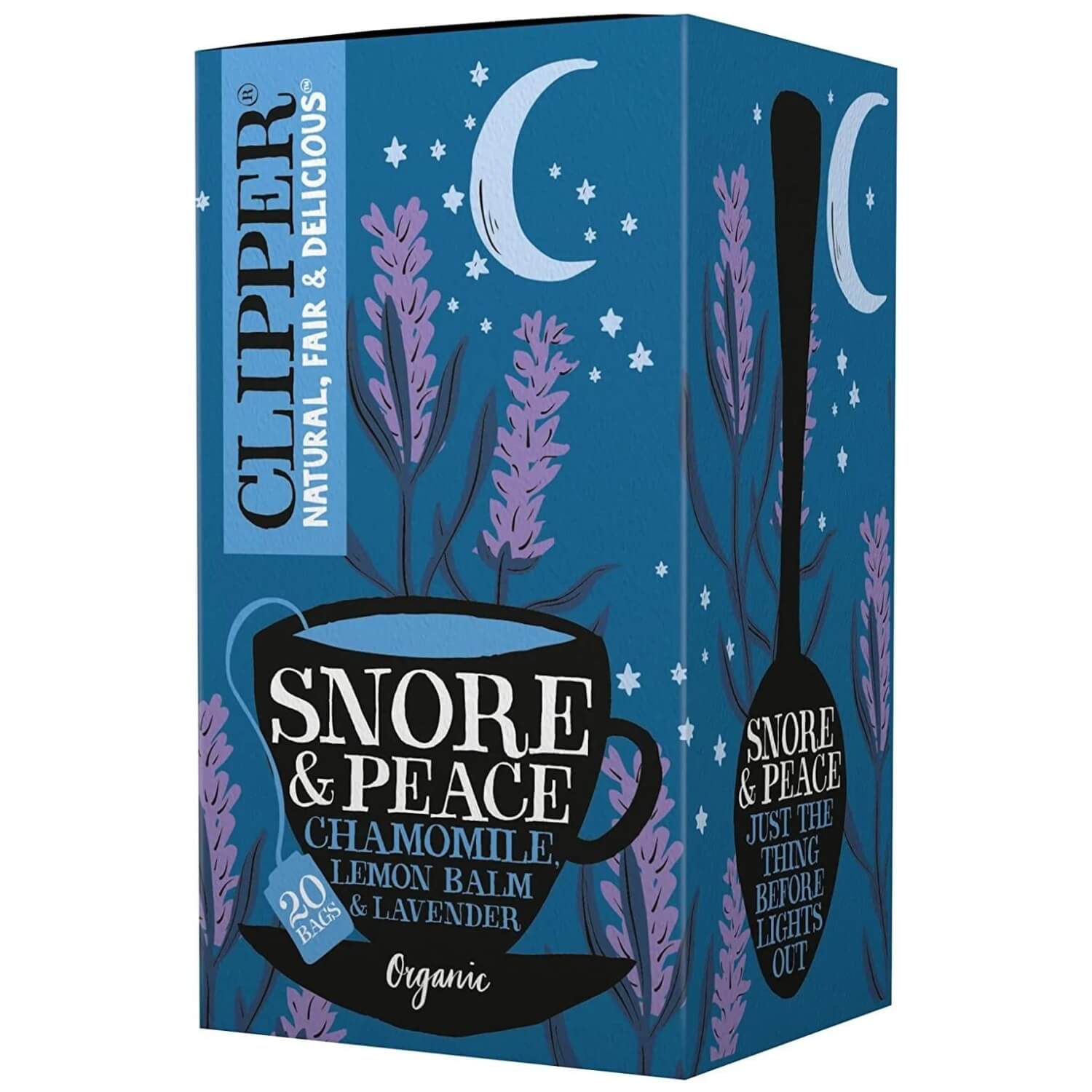
Herbal tea for children - wild rose, mint, chamomile, sea buckthorn BIO (20 × 1.5 g) 30 g - Apotheke
7.6. Intense oil color – risk of discoloration
Sea buckthorn pulp oil has an intensely orange color due to its high carotenoid content. When applied externally in too high a concentration or without dilution, it can:
- temporarily stain the skin a yellowish-orange hue – the effect fades after washing,
- stain light fabrics and towels – difficult to remove,
- with long-term consumption in very high doses, cause a yellowish discoloration of the skin (carotenodermia) – a harmless phenomenon that subsides after reducing the dose.
7.7. How to store sea buckthorn oil correctly?
Cold-pressed oil is sensitive to light, heat, and air contact. Improper storage accelerates its oxidation and degrades its quality.
- Before opening: store in a cool, dark place, away from heat sources.
- After opening: store in the refrigerator, tightly closed; use according to the manufacturer's expiration date.
- Signs of spoilage: a bitter, rancid smell or taste indicates oil oxidation – such a product should not be used.
| Situation | External use | Oral use |
|---|---|---|
| Allergy to Elaeagnaceae | ⚠️ Patch test before use | ⚠️ Cautiously |
| Gallstones / liver diseases | ✅ Safe | ❌ Consult a doctor |
| Anticoagulant medications | ✅ Safe | ❌ Consult a doctor |
| Hypotensive medications | ✅ Safe | ⚠️ Inform your doctor |
| Pregnancy and breastfeeding | ✅ In small quantities | ❌ Consult a doctor |
| Children | ⚠️ Dilute, use cautiously | ❌ Consult a pediatrician |
| Oily / acne-prone skin | ⚠️ Avoid or use locally | ✅ Safe |
9. Sea buckthorn oil – summary
Sea buckthorn oil is one of the few plant-based oils that combines such a rare combination of active ingredients – carotenoids, tocopherols, phytosterols, and the unique palmitoleic acid (Omega-7). It is precisely this exceptional composition that makes it difficult to replace with any other single oil.
When used externally, it works best for dry, mature, and intensely regenerating skin – provided it is diluted with a lighter carrier oil. Taken orally, it can be a valuable dietary supplement, especially for those interested in obtaining Omega-7, carotenoids, and vitamin E from a plant source.
It is worth remembering a few practical rules: sea buckthorn pulp oil stains skin and fabrics, is not suitable for heating, and requires refrigeration after opening. People with gallstones, those taking anticoagulants, or pregnant women should consult a doctor before oral use.
If you are looking for good quality, cold-pressed sea buckthorn oil, in our store you will find Pro Aktiv Siberian sea buckthorn oil – a liquid dietary supplement, ready for both external and oral use. Also, check out our category of natural cosmetics, where you will find other products with sea buckthorn.
10. Sources
Below are regulatory documents and scientific databases on which the claims in the article are based.
-
Commission Regulation (EU) No 432/2012 of 16 May 2012 – the register of permitted health claims made on foods, other than those referring to the reduction of disease risk and to children’s development and health.
Basis for health claims regarding vitamin E (protection of cells from oxidative stress), beta-carotene (skin condition, vision), ALA acid (cholesterol levels) and phytosterols (cholesterol levels) – chapter 3.
eur-lex.europa.eu – Regulation 432/2012 -
Regulation (EU) 2018/848 of the European Parliament and of the Council of 30 May 2018 on organic production and labelling of organic products.
Basis for information on BIO certificate – chapter 8 (FAQ).
eur-lex.europa.eu – Regulation 848/2018 -
EFSA – EU Register of Authorised Health Claims – interactive database of approved health claims from the European Food Safety Authority.
Verification of the status of health claims for sea buckthorn oil ingredients – chapters 2 and 3.
efsa.europa.eu – Health Claims Register
This article is for informational purposes only and does not constitute medical advice. In case of chronic illnesses, medication use, or doubts about the use of sea buckthorn oil, consult a doctor or pharmacist.