The article was updated on 11.04.2026
For uncomplicated sinusitis, the best results are achieved by combining inhalations with eucalyptus or thyme – which thin the stagnant secretions – with hydration and a gargle with sage or chamomile when secretions are draining. Peppermint provides quick relief for a stuffy nose, ginger warms and aids patency, and echinacea and elderberry are effective prophylactically and at the onset of infection. Among all the discussed plants, African geranium, in the form of a standardized extract, has the most clinically documented efficacy.

This article is intended for people with recurrent or seasonal sinus problems who are looking for proven, safe support methods – and want to know which herbs really work, in what form, and for which symptoms.
Here you will find a discussion of 9 herbs with an explanation of their mechanism of action, a comparative table, ready-made recipes for blends and infusions, a symptom-method-herb decision table, and information on contraindications and drug interactions – based on monographs from the European Medicines Agency and current EPOS 2020 guidelines.
1. What are paranasal sinuses and why do they get blocked?
Paranasal sinuses are four pairs of empty spaces in the skull bones, lined with mucous membrane and filled with air. Their function is to humidify and warm inhaled air, assist in voice resonance, and – according to current research – participate in intracranial pressure regulation. Narrow canals (orifices) connect each sinus, through which secretions drain into the nasal cavity.
The problem begins when these orifices close. Even slight swelling of the mucous membrane – caused by infection, allergen, or cold air – can stop the drainage of secretions, increase pressure in the sinus, and create an environment conducive to microbial proliferation.
Four pairs of paranasal sinuses:
Maxillary – the largest, most often inflamed; pain under the eyes and in the cheeks.
Frontal – above the eyebrows; forehead pain exacerbated by bending the head.
Ethmoid – between the eyes; pain at the bridge of the nose and between the eyes.
Sphenoid – deep in the skull; pain radiating to the back of the head or top of the head.
1.1. Sinusitis – acute vs. chronic: what's the difference?
Inflammation of the paranasal sinuses, technically called rhinosinusitis, is divided into two main forms. The difference between them is practical – it affects the choice of support method.
| Feature | Acute sinusitis | Chronic sinusitis |
|---|---|---|
| Duration | Up to 4 weeks | Over 12 weeks |
| Most common cause | Viral infection (approx. 90% of cases) | Untreated allergies, polyps, deviated nasal septum |
| Nature of discharge | Thick, yellow-green | Variable, often mucous |
| Fever | Possible (especially with bacterial superinfection) | Rare |
| Role of herbs | Support breathing comfort, thin secretions | Supportive; priority is diagnosing the cause |
Scroll right to see the full table (on mobile devices) →
Yellow or green discharge in itself is not an indication for antibiotics – the color change results from the presence of neutrophils and is a normal stage of a viral infection. European EPOS 2020 guidelines recommend avoiding antibiotic therapy for uncomplicated acute sinusitis for the first 10 days.
1.2. Sinuses and allergies – similar symptoms, different mechanisms
Allergic rhinitis and allergic sinusitis are a distinct mechanism: not an infection, but an IgE-dependent reaction to an allergen (pollen, dust mites, pet dander). The mucous membrane swells due to the release of histamine and leukotrienes, not due to virus proliferation.
The practical difference in the context of herbal therapy is significant: inhalations and infusions will help relieve swelling and facilitate secretion drainage, but they will not eliminate the cause of the allergy. If your sinus problems worsen seasonally and are accompanied by itchy eyes and sneezing – it is worth familiarizing yourself with our pollen calendar in Poland and natural support protocol for the allergic season.
1.3. When can herbs help, and when is a doctor's visit necessary?
Herbs and home remedies have their justified place in mild, uncomplicated symptoms – but there are warning signs that should not be ignored.
⚠ Consult a doctor if:
- fever above 38.5°C persists for more than 3 days
- severe, unilateral facial or tooth pain worsens instead of subsiding
- symptoms do not improve after 7–10 days or worsen after temporary improvement
- swelling around the eye, double vision, or severe headache appears
- the discharge has a very unpleasant odor (possible dental origin)
- you have recurrent sinusitis (more than 3–4 episodes per year)
In other cases – with a typical, uncomplicated course of acute inflammation or allergic rhinitis – herbal support is justified and can improve breathing comfort, facilitate secretion drainage, and shorten the subjective feeling of discomfort.
2. How can herbs support sinus health? Mechanisms of action
Herbs used for sinus problems do not work in one way. Different plants affect different elements of mucous membrane physiology and secretions. Understanding these mechanisms helps to better select a herbal preparation for a specific symptom – instead of reaching for the first one available.
2.1. Secretolytic and mucolytic action – thinning secretions
This is one of the most desired effects for sinuses. Secretolytics increase the secretion of thinner mucus by the mucous membrane glands, diluting stagnant, thick secretions. Mucolytics directly break down bonds in mucin molecules, reducing mucus viscosity.
The practical effect is the same: secretions become thinner, the cilia of the epithelium can transport them more efficiently, and the sinus openings have a chance to clear. Among herbs, eucalyptus (1,8-cineole) and thyme (thymol) have the best documented secretolytic action.
2.2. Decongestant action – mucous membrane and cold receptors
Menthol in peppermint activates TRPM8 receptors in the nasal mucous membrane – the same ones that react to cold. It does not physically reduce congestion, but it significantly reduces the subjective feeling of a stuffy nose, improving perceived patency. This is a sensory, not anatomical, mechanism – it is worth knowing this, because menthol inhalations provide quick relief but do not replace secretolytics for very thick secretions.
2.3. Soothing action on the mucous membrane
Swelling of the mucous membrane is the core problem when sinuses become blocked. Several herbs contain compounds capable of modulating the local inflammatory response:
- Alpha-bisabolol and apigenin (chamomile) – inhibit the release of inflammatory mediators at the cellular level
- Rosmarinic acid (sage, mint) – exhibits antioxidant and soothing properties
- Gingerols and shogaols (ginger) – inhibit COX and LOX enzymes involved in the synthesis of prostaglandins and leukotrienes
Important caveat: this refers to the soothing effect on inflammation symptoms of the mucous membrane when using herbs, not therapeutic "treatment of inflammation" in a clinical sense.
2.4. Effect on mucous membrane immunity
Some herbs – primarily echinacea and elderberry – are traditionally used not so much for sinuses themselves, but for upper respiratory tract infections as a whole. The European Medicines Agency (EMA) recognizes the traditional use of Echinacea purpurea for symptoms of colds and respiratory infections. The mechanism involves stimulating phagocyte activity and cytokine production.

2.5. Water vapor and humidification – an underestimated mechanism
Regardless of the herbs added to the inhalation, the water vapor itself moisturizes the dry mucous membrane, thins secretions, and stimulates ciliary action. This is important, as many effects attributed to herbal inhalations result simply from humidification – not from specific phytochemicals. Herbs enhance this effect, but do not replace hydration and humidification itself.
Practical conclusion: For sinus blockage and thick secretions, use secretolytics (eucalyptus, thyme) administered as an inhalation or infusion. For headache and a stuffy nose – use menthol (peppermint). For an irritated throat and draining secretions – use gargles with sage or chamomile. For infection at the first symptoms – consider echinacea or elderberry as immune support.

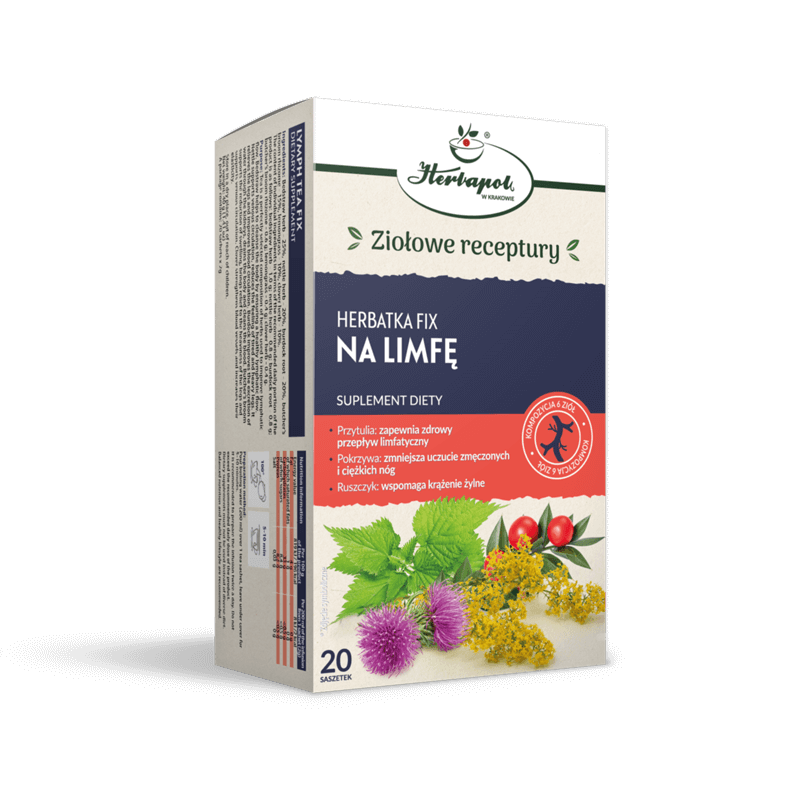
Sinus Fix Tea (20 × 2 g) 40 g – Herbapol Kraków
3. The best herbs for sinuses – overview and comparative table
Below you will find 9 herbs that have the greatest justification in traditional phytotherapy or clinical research for problems with the upper respiratory tract and sinuses. Each of them works slightly differently – therefore, the selection should depend on the dominant symptom, not on chance.
| Herb | Key ingredient | Main action | Best form | EMA status | Note |
|---|---|---|---|---|---|
| Eucalyptus | 1,8-cineole (eucalyptol) | Secretolytic, mucolytic | Inhalation, essential oil | Traditional use | Caution with asthma; not for children under 2 years old |
| Peppermint | Menthol | Decongestant (sensory) | Inhalation, infusion, essential oil | Traditional use | Do not apply directly to nose of children under 2 years old |
| Thyme | Thymol, carvacrol | Secretolytic, expectorant | Infusion, inhalation, syrup | Traditional use | During pregnancy – only small culinary amounts |
| Chamomile | Alpha-bisabolol, apigenin | Soothing mucous membrane | Inhalation, infusion | Traditional use | Allergy in individuals sensitive to Asteraceae |
| Sage | Rosmarinic acid, thujones | Soothing, antiseptic (throat) | Gargle, infusion | Traditional use | During pregnancy – only small amounts; do not use long-term in high doses |
| Elderberry | Anthocyanins, flavonoids | Immune support for mucous membrane | Syrup, flower infusion | Traditional use | Raw fruits and leaves are toxic – use only processed forms |
| Ginger | Gingerols, shogaols | Soothing, warming, secretolytic | Infusion, decoction | Traditional use | Caution with anticoagulants |
| Echinacea | Alkylamides, polysaccharides | Support immune response | Infusion, supplement | Traditional use | Do not use with autoimmune diseases without consultation |
| African geranium | Coumarins, root flavonoids | Support for upper respiratory tract infections | Standardized extract (EPs 7630) | Well-established medical use (RCT studies) | Do not use with liver disease; interactions with immunosuppressants |
Scroll right to see the full table (on mobile devices) →
3.1. Eucalyptus – the number one secretolytic
Australian eucalyptus (Eucalyptus globulus) contains up to 80–85% 1,8-cineole (eucalyptol) in its essential oil. This compound is responsible for the main effect on sinuses: it liquefies secretions, stimulates the cilia of the respiratory tract epithelium, and relieves bronchial smooth muscle spasms.
The European Medicines Agency recognizes the traditional use of eucalyptus leaf and eucalyptus oil for symptoms of upper respiratory tract catarrh and as an expectorant. In vitro and clinical studies indicate that 1,8-cineole can inhibit the synthesis of inflammatory mediators (including TNF-α, IL-1β), which translates into relief of mucous membrane swelling.
How to use: 3–5 drops of eucalyptus oil into a bowl of hot water, inhale for 10–15 minutes under a towel, twice a day. You can also add a few drops to a diffuser or on a handkerchief. Avoid direct application of undiluted oil to the skin.
Note: Eucalyptus oil can intensify bronchial spasms in people with asthma. If you suffer from asthma, consult your doctor about using inhalations before the first use.

Large Eucalyptus Essential Oil 30 ml – Etja
3.2. Peppermint – fast relief for a stuffy nose
Peppermint (Mentha × piperita) contains 35–55% menthol in its essential oil. Menthol acts on TRPM8 receptors in the nasal mucosa, causing a sensation of coolness and clear breathing – without actual vasoconstriction. This is a sensory mechanism: the nose does not open anatomically, but subjectively, breathing becomes significantly easier.
This is important information: mint provides fast, noticeable relief, but with very thick, stagnant secretions, it is not sufficient on its own. It works best in combination with eucalyptus or thyme, which actually liquefy mucus.
An additional advantage of mint is its soothing and analgesic effect: peppermint oil diluted in a carrier oil (e.g., 2–3 drops per teaspoon of coconut oil) applied to the temples and forehead can reduce headache accompanying clogged sinuses.
How to use: Inhalation (3–4 drops of essential oil in hot water), herbal tea from leaves (1–2 teaspoons per cup, 10 minutes covered), massage with oil diluted in a carrier oil. Do not use undiluted oil around the nose in children under 2 years of age.

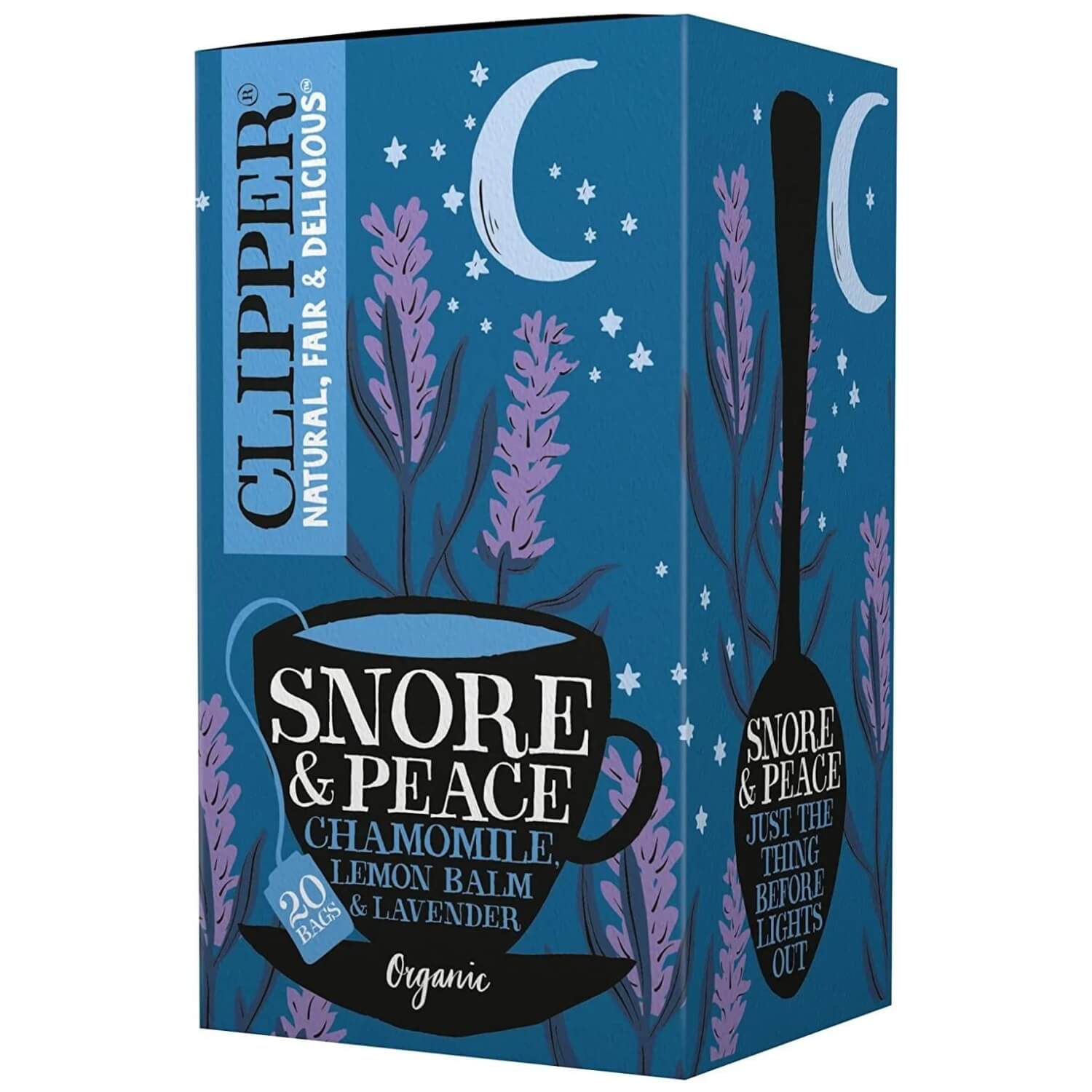
Organic Peppermint Tea (20 × 1.5 g) 30 g – Clipper
3.3. Thyme – secretolytic with tradition
Thyme (Thymus vulgaris) is one of the most thoroughly researched herbs in the context of the upper respiratory tract. It contains thymol and carvacrol – volatile phenols with secretolytic and expectorant properties. The EMA has granted thyme "well-established use" status for coughs associated with colds and upper respiratory tract catarrh, which distinguishes it from herbs with only traditional use.
Thymol stimulates the mucous membrane glands to produce thinner secretions and activates ciliary movement, which ensures that mucus is more effectively transported from the sinuses to the nasal cavity and beyond. For sinuses, thyme thus acts in two ways: it thins secretions and aids their removal.
How to use: Infusion (1–2 teaspoons of dried thyme per cup, 10–15 minutes covered, 2–3 times a day), inhalation (a handful of fresh or dried herb poured with boiling water in a bowl), thyme syrup with coltsfoot as a ready-made secretolytic preparation.

Thyme and Coltsfoot Syrup 100 ml – Herbapol Kraków
3.4. Chamomile – soothing and relieving irritation
Common chamomile (Matricaria chamomilla) contains alpha-bisabolol and apigenin, which have a soothing effect on irritated mucous membranes. Chamomile is particularly useful when the dominant symptom is burning, irritation, or dryness in the nose and sinuses – rather than thick, stagnant secretions.
In inhalation, chamomile steam moisturizes and soothes swollen mucous membranes. As an infusion, it has a relaxing effect on the entire body, which is important for illnesses accompanied by anxiety and insomnia. Chamomile combines well with eucalyptus in inhalation: eucalyptus is responsible for thinning mucus, chamomile for soothing irritation.
Important note: chamomile belongs to the Asteraceae family. People allergic to mugwort, arnica, or ragweed may experience cross-reactions – it is worth checking tolerance before use.
How to use: Inhalation (2 tablespoons of dried flowers per liter of boiling water, 10–15 minutes), infusion for drinking (1 tablespoon of flowers per cup, 10 minutes covered), as a supplement to an inhalation mixture.

Chamomile Tea Organic (20 × 1.5 g) 30 g – Clipper
3.5. Sage – gargles and discharge drainage
Sage (Salvia officinalis) contains rosmarinic acid, thujones, and essential oils. Its most important use for sinus problems is soothing an irritated throat when secretions are draining (known as post-nasal drip) – a symptom that is particularly troublesome at night and in the morning.
The EMA recognizes the traditional use of sage for mild inflammation of the oral and pharyngeal mucosa. In the context of sinuses, it is therefore most effective as a gargle, rather than as an herb for inhalation. An infusion of sage used for gargling soothes irritated mucous membranes and reduces discomfort associated with draining secretions.
How to use: Throat gargle (strong infusion – 2 teaspoons per glass of boiling water, 15 minutes covered, cool to lukewarm temperature, gargle 3–4 times a day). During pregnancy, use only in small culinary quantities – large therapeutic doses are contraindicated.

Organic Sage Leaf Tea 25 g – Dary Natury
3.6. Elderberry – supporting mucous membrane immunity
Elderberry (Sambucus nigra) is an herb with a long tradition of use in Europe for upper respiratory tract infections. Elderflower and berries contain anthocyanins, flavonoids (rutin, quercetin), and phenolic acids. The EMA recognizes the traditional use of elderflowers for colds and feverish symptoms.
In the context of sinuses, elderberry is most useful at the beginning of an infection, when the sinuses start to clog during a cold or flu. Several clinical studies with standardized fruit extracts suggest shortening the duration of flu symptoms, although the methodology of these studies varies and the results should be treated with caution.
Important safety note: Raw elderberry fruits, leaves, and bark contain sambunigrin – a cyanogenic glycoside that causes vomiting and diarrhea. Only processed (cooked, dried) fruits and flowers or ready-made standardized preparations are suitable for consumption.
How to use: Flower infusion (1–2 tablespoons of dried flowers per cup, 10 minutes), ready-made elderberry syrup as a preparation for the first symptoms of infection.

Organic Elderflower Tea 50 g - Dary Natury
3.7. Ginger – warming secretolytic
Ginger (Zingiber officinale) contains gingerols and shogaols – compounds that inhibit COX-2 and LOX enzymes, involved in the synthesis of prostaglandins and leukotrienes responsible for swelling and pain. In practice, this means that hot ginger infusion can relieve mucous membrane swelling and have a warming effect, which aids in thinning secretions.
Ginger also acts as a natural warming agent that improves microcirculation in the mucous membrane – facilitating the drainage of secretions from the sinuses. It is especially useful in combination with honey and lemon as a supportive drink for the first symptoms of infection.
People taking anticoagulants (e.g., warfarin) should be cautious – ginger can potentiate the effect of these medications.
How to use: Decoction (a few slices of fresh root covered with cold water, boiled for 10–15 minutes), infusion from dried ginger (1/2 teaspoon per cup of boiling water, 10 minutes). Can be combined with honey and lemon juice.
3.8. Echinacea – prevention and first symptoms
Purple coneflower (Echinacea purpurea) and narrow-leaved coneflower (E. angustifolia) contain alkylamides, polysaccharides, and caffeic acid derivatives (chicory acid, echinacosides). The EMA recognizes the traditional use of both species for cold symptoms and supporting the immune response of the upper respiratory tract.
Echinacea is more of a preventative herb and for early intervention rather than a remedy for acute sinusitis with thick secretions. Studies suggest that regular use may reduce the frequency of upper respiratory tract infections, and when used at the first signs of a cold, it may shorten their duration. However, the effect is moderate and depends on the preparation and species.
Echinacea should not be used for autoimmune diseases (e.g., rheumatoid arthritis, lupus) or while taking immunosuppressants without consulting a doctor.
How to use: Infusion from the herb or ready-made supplements with standardized extract. Traditionally, it is recommended to use for 7–10 days during an infection, not throughout the entire season.

Organic Echinacea Tea (17 × 1.8 g) 30.6 g - Yogi Tea
3.9. African geranium – the most researched herb for respiratory tract
African geranium (Pelargonium sidoides) is an herb that stands out from the rest: it has the largest number of randomized controlled trials (RCTs) among herbs used for upper respiratory tract infections, including acute bronchitis and sinusitis.
Root extract (standardized as EPs 7630) shows immunomodulatory, mild antiviral activity against influenza and RSV (rhinovirus) viruses, and the ability to stimulate mucus secretion and ciliary activation in studies. A meta-analysis published in Phytomedicine (Timmer et al.) and a Cochrane review covering studies on respiratory infections indicate the effectiveness of EPs 7630 in alleviating symptoms of acute bronchitis and shortening the duration of the disease – results for sinusitis are promising, although there are fewer studies.
The EMA has granted geranium "well-established use" status for acute upper respiratory tract infections, which is a higher category than mere "traditional use."
Important: African geranium is only available as a standardized extract (EPs 7630) in ready-made pharmacy preparations. A self-prepared infusion from the plant does not provide a standardized concentration of active ingredients. Do not use with liver disease or with immunosuppressants without consulting a doctor.
4. Ways to use herbs for sinuses – what to choose for which symptoms?
Herbs for sinuses can be used in several different ways. The choice of method should depend on the dominant symptom, not on habit. Inhalation provides the fastest local effect, infusion works from within, gargling is effective for draining secretions, and ready-made preparations are convenient when you don't have time for home preparations.
| Dominant symptom | Recommended method | Herb / ingredient |
|---|---|---|
| Completely blocked nose, difficulty breathing | Steam inhalation | Eucalyptus, peppermint |
| Thick, stagnant discharge in the sinuses | Inhalation + oral infusion + hydration | Thyme, eucalyptus, ginger |
| Sinus headache, pressure in the forehead and cheeks | Oil – external massage | Peppermint (diluted) |
| Irritated throat from discharge drainage | Throat gargle | Sage, chamomile |
| Watery discharge, itching (allergic background) | Infusion + nasal saline irrigation | Chamomile, sage |
| First symptoms of infection (cold, weakness) | Infusion or standardized preparation | Echinacea, elderberry, ginger with honey |
| Dry, irritated nasal mucosa | Moisturizing inhalation (without essential oils) | Chamomile, plain steam |
Scroll right to see the full table (on mobile devices) →
4.1. Herbal inhalations – how to perform them effectively?
Steam inhalation is the method with the fastest local action: the active ingredients of herbs reach the nasal and sinus mucous membranes directly, and the steam itself moisturizes dried mucous membranes and thins stagnant secretions. It is both the simplest and one of the most effective home remedies to support nasal patency.
How to prepare an inhalation step by step:
- Boil about a liter of water and pour it into a wide, stable bowl or pot.
- Add selected herbs: a handful of dried eucalyptus, thyme, or chamomile or 3–5 drops of essential oil (eucalyptus, peppermint, or thyme).
- Wait 1–2 minutes for the steam to cool down slightly – too hot steam can irritate the mucous membranes.
- Lean over the bowl at a distance of about 30 cm, cover your head and the bowl with a large towel, creating a "tent."
- Inhale calmly through your nose for 10–15 minutes. If you experience burning or discomfort, remove your head from under the towel.
- After the inhalation, blow your nose and do not go out into the cold air for at least 30 minutes.
Inhalations are best performed twice a day – morning and evening – for the first 3–5 days after symptoms appear. Not recommended for children under 3 years of age due to the risk of steam burns.
Tip: If you have an electric inhaler (nebulizer), do not add essential oils to it – they can damage the device and irritate the lower respiratory tract. Essential oils are only suitable for steam inhalation over a bowl.

4.2. Herbal infusions and teas
An infusion works differently than an inhalation: instead of acting topically on the mucous membrane, it acts systemically – after absorption from the digestive tract. A hot infusion has an additional advantage: it moisturizes the mucous membrane from the inside and warms it up, which promotes circulation in the facial area and facilitates the drainage of secretions.
The best herbs for infusions for sinus problems are thyme, ginger, chamomile, and peppermint. They can be used separately or combined – for example, thyme with ginger and honey as a classic infusion for sinus sufferers.
How to prepare an infusion: Pour 200–250 ml of water at 90–100°C over 1–2 teaspoons of dried herb (or 1 tablespoon of fresh herb). Steep covered for 10–15 minutes – covering is important to prevent the evaporation of essential oils. Drink 2–3 times a day, preferably warm.
Ready-made herbal teas in sachets are a convenient alternative to self-prepared infusions – especially at work or while traveling.
4.3. Essential oils – principles of safe use
Essential oils are highly concentrated extracts and require adherence to a few basic safety rules. Used correctly, they can be an effective complement to other methods.
Three main uses for sinuses:
- Steam inhalation – 3–5 drops of essential oil (eucalyptus, peppermint, or thyme) into a bowl of hot water.
- Ultrasonic diffuser – 3–6 drops into a diffuser with water; a gentler form of inhalation, without direct exposure to hot steam. Time: 20–30 minutes in a ventilated room.
- External massage – peppermint or eucalyptus oil diluted in a ratio of 2–3 drops per teaspoon of carrier oil (e.g., coconut or almond); apply gently to the temples, forehead, and sides of the nose. Never apply undiluted oil directly to the skin.
What to avoid: Do not use essential oils internally (orally) without specialist advice. Do not apply undiluted oil to the nasal mucous membrane. For children under 2 years of age – eucalyptus and peppermint oils are contraindicated for use on the face and chest area.
4.4. Rinses and nasal irrigation
Nasal and throat rinsing is one of the methods with the best documented effectiveness in reducing symptoms of sinusitis. Saline irrigation mechanically removes secretions, allergens, and microorganisms from the nasal cavity, improves the function of epithelial cilia, and moisturizes dried mucous membranes. Adding an herbal infusion enhances this effect with the soothing properties of the herbs.
Throat rinse with sage or chamomile:
- Brew a strong infusion: 2 teaspoons of dried sage or chamomile in 200 ml of boiling water, covered for 15 minutes.
- Cool to lukewarm temperature (approx. 37°C) – too hot an infusion can irritate the throat mucous membrane.
- Rinse your throat for 30–60 seconds, repeat 3–4 times a day.
Nasal irrigation: For rinsing the nasal cavity, use only isotonic saline solution (0.9% NaCl) or ready-made irrigation preparations. Boil and cool water before use – never use raw tap water. Use herbal infusions as an independent nasal irrigation fluid cautiously and only when cooled to body temperature.
4.5. Ready-made herbal preparations and supplements
For those who do not have time to prepare infusions and inhalations themselves, ready-made preparations are a good solution: herbal syrups, capsules with extracts, or standardized supplements. Their advantages are convenience and a constant concentration of active ingredients, their disadvantages – higher cost and the inability to customize the composition.
When choosing a ready-made preparation, pay attention to: the composition (single herb or blend), the form of the extract (standardized extract or whole herb powder – standardized is more predictable), and the recommended dosage. Use according to the information on the packaging or the pharmacist's recommendation.
5. Prevention – how to reduce the risk of recurrence?
Recurrent sinusitis is often the result of several overlapping factors: improperly treated previous episodes, untreated allergies, chronically dry mucous membranes, or weakened immunity. Herbs can play a role not only in alleviating symptoms but also in reducing the risk of subsequent infections – provided they are used systematically.
5.1. Mucous membrane hydration – the basis of prevention
A dried nasal mucous membrane loses its ability to trap microorganisms and allergens, and the cilia stop efficiently transporting secretions. This creates conditions conducive to infections. Two of the simplest preventive measures are adequate hydration (at least 1.5–2 liters of fluids daily, including herbal infusions) and humidifying the air in the room, especially in winter with heating on (optimal humidity: 40–60%).
Regular, mild steam inhalations – even without added herbs – 2–3 times a week during the heating season help maintain proper mucous membrane hydration.
5.2. Echinacea and elderberry – preventive herbs
Purple coneflower (Echinacea purpurea) used before and during the infection season can reduce the frequency of common cold episodes and upper respiratory tract infections. It is traditionally recommended for 7–10 days during an infection or for 4–8 weeks preventively at the peak of the flu season – followed by a break.
Elderflower and elderberry fruit infusion works as a gentle support for mucous membrane immunity during the autumn and winter season. It can be drunk 1–2 times a day for several weeks as a dietary supplement.
5.3. What else affects sinus health?
Herbs are one element of prevention, but not the only one. Recurrent sinus problems are also influenced by:
- Nasal hygiene – regular rinsing with isotonic saline, especially after spending time in dusty or air-conditioned rooms.
- Avoiding known allergens – if your sinuses react to dust mites, pollen, or molds, eliminating these stimuli is more effective than any herb.
- Temperature and humidity – sudden changes in temperature (e.g., going from a warm room into the cold) constrict the blood vessels of the mucous membrane, which can cause episodes of nasal blockage.
- Smoking and air pollution – cigarette smoke and smog directly damage the epithelial cilia and exacerbate inflammation of the mucous membrane.
If you are interested in a broader topic of dealing with inflammation using plants, read our article on the most effective anti-inflammatory herbs – there you will find a development of the mechanisms that play a key role in sinus problems.
6. When herbs are not enough? Contraindications and safety
Herbs have a justified place in mild, uncomplicated sinus problems. However, they contain biologically active compounds that can interact with medications, cause allergic reactions, and be unsuitable in certain health conditions.
Below we have listed the most important situations in which the use of herbs requires caution or consultation with a doctor.
6.1. Who should consult a doctor or pharmacist about using herbs?
- Pregnant women – thyme, sage, and mint in large oral doses may stimulate uterine contractions. Steam inhalations with small amounts of these herbs are generally considered safe, but it is advisable to consult a physician before incorporating any herbs during pregnancy.
- Breastfeeding women – some components of essential oils can pass into breast milk; sage in large doses can inhibit lactation.
- Children under 2 years of age – eucalyptus and peppermint oils are contraindicated for use on the face and chest area. Steam inhalations in young children require particular caution due to the risk of burns.
- Asthma sufferers – strong inhalations of essential oils, especially eucalyptus, can provoke bronchospasm in people with hyperreactive airways.
- People with autoimmune diseases – echinacea stimulates the immune system, which may be undesirable in rheumatoid arthritis, lupus, or while taking immunosuppressive drugs.
- People allergic to plants from the Asteraceae family (mugwort, ragweed, arnica) – chamomile and echinacea belong to the same family; cross-allergy is possible.
6.2. Interactions of herbs with medications – most important cases
| Herb | Medication / Drug group | Possible interaction |
|---|---|---|
| Ginger | Anticoagulants (warfarin, acenocoumarol) | May enhance anticoagulant effect |
| Echinacea | Immunosuppressants (ciclosporin, tacrolimus) | May weaken the effect of immunosuppression |
| Sage (large doses) | Antiepileptic drugs, diabetes medications | Thujones may lower seizure threshold; possible impact on glycemia |
| African geranium | Immunosuppressants, hepatotoxic drugs | Possible liver burden when used concomitantly |
| Eucalyptus (essential oil) | Drugs metabolized by CYP1A2, CYP2C9 | May accelerate drug metabolism, lowering their concentration |
Scroll right to see the full table (on mobile devices) →
If you regularly take prescription medications, consult your doctor or pharmacist before incorporating herbal preparations. This principle particularly applies to drugs with a narrow therapeutic window (anticoagulants, immunosuppressants, antiepileptic drugs).
6.3. When are herbs definitely not enough?
The following symptoms require a doctor's visit – using herbs in these situations may delay proper diagnosis and treatment:
- fever above 38.5°C lasting longer than 3 days
- severe, unilateral facial pain or upper tooth pain without obvious dental cause
- symptoms that do not subside after 10 days or significantly worsen after a temporary improvement
- swelling around the eye, visual disturbances, or drooping eyelid
- very severe headache with sudden onset
- discharge with a distinctly unpleasant odor (possible dental origin or complication)
- fourth or subsequent episode of sinusitis within a year
Important: Herbs can effectively support breathing comfort and alleviate symptoms in uncomplicated sinusitis, but they do not replace diagnosis and treatment in cases of complications, severe symptoms, or chronic diseases requiring specialist care.
7. Homemade herbal blends for sinuses – ready recipes
Individual herbs work best when tailored to a specific symptom. However, well-thought-out blends, in which herbs complement each other's actions, can be even more effective: one thins secretions, another soothes irritation, and a third supports the immunity of the mucous membrane.
Below are four proven compositions.
7.1. Inhalation blend for a stuffy nose and thick discharge
This blend combines the secretolytic action of eucalyptus with the decongestant effect of menthol from peppermint. It works best for a completely stuffy nose and stagnant, thick discharge in the maxillary or frontal sinus.
Ingredients for one inhalation:
- 3 drops of eucalyptus oil
- 2 drops of peppermint oil
- 1 liter of hot water (approx. 70–80°C, not boiling)
Inhale under a towel for 10–15 minutes. Repeat twice a day for the first 4–5 days after symptoms appear.
7.2. Thyme-ginger infusion for sinuses with accompanying cough
When sinusitis is accompanied by a cough resulting from post-nasal drip, thyme provides secretolytic and expectorant action, while ginger helps thin mucus and warms the mucous membrane.
Ingredients for one serving (250 ml):
- 1 teaspoon of dried thyme
- 3–4 slices of fresh ginger (or ½ teaspoon of dried)
- 1 teaspoon of honey (add after the infusion has cooled to 40°C)
- a few drops of lemon juice
Pour boiling water over, steep covered for 12–15 minutes. Drink 2–3 times a day, warm. Honey is added after cooling, as high temperatures destroy its active enzymes.

7.3. Throat gargle for post-nasal drip
Post-nasal drip is one of the most bothersome symptoms of chronic sinus problems – it causes chronic throat irritation, hoarseness, and a cough reflex, especially at night. This gargle combines the soothing action of chamomile with the antiseptic action of sage.
Ingredients:
- 1 teaspoon of dried sage
- 1 teaspoon of dried chamomile flowers
- 200 ml of boiling water
- a pinch of sea salt (optional – enhances antiseptic action)
Steep covered for 15 minutes, strain, cool to lukewarm temperature. Gargle for 30–60 seconds, 3–4 times a day. Do not swallow the infusion.
7.4. Preventive infusion for the infection season
This blend is not intended for use in acute sinusitis, but as support during the peak infection season – from October to March – when the risk of recurrence is highest.
Ingredients for one serving:
- 1 teaspoon of purple coneflower flowers or herb
- 1 teaspoon of elderflower
- ½ teaspoon of dried ginger
- 200 ml of boiling water
Steep covered for 12 minutes. Drink 1–2 times a day for 4–6 weeks, then a break of at least 2 weeks. Do not use continuously without breaks – especially in the case of echinacea.
8. Frequently asked questions about herbs for sinuses
How long should herbs be used for sinusitis?
For acute sinusitis, herbs are used for the entire duration of symptoms, usually 7–14 days. If symptoms do not subside after 10 days or worsen – a medical consultation is necessary. For recurring or chronic problems, the duration of use and any breaks should be discussed with a doctor or phytotherapist. Echinacea is not recommended for use longer than 8 weeks without a break.
Can herbs be combined with over-the-counter sinus medications?
In most cases, yes – herbal infusions and inhalations do not significantly interact with typical medications used for sinusitis (nasal decongestants, antihistamines, ibuprofen).
Exceptions are situations described in Chapter 6: taking anticoagulants, immunosuppressants, or antiepileptic drugs requires consultation with a pharmacist or doctor before introducing herbs.
Is saline nasal irrigation more effective than herbal inhalations?
Both treatments work differently and complement each other. Saline irrigation mechanically cleanses the nasal cavity of secretions, allergens, and microorganisms – which is confirmed by clinical studies recommending it in the EPOS 2020 guidelines. Herbal inhalation primarily moisturizes the mucous membrane and delivers active ingredients (eucalyptol, thymol, menthol) directly to the respiratory tract. For acute sinusitis, the combination of both methods is most effective: first, inhalation to liquefy secretions, then irrigation to remove them.
How to distinguish sinusitis from a common cold?
A common cold caused by a viral infection usually lasts 7–10 days and gradually subsides. Sinusitis may be indicated by: pain or pressure in the forehead, cheeks, or bridge of the nose, worsening when bending the head, thick and discolored discharge lasting longer than 10 days, decreased or lost sense of smell, and headaches located in the facial area. With just a cold, headaches are less severe or absent, and discharge is usually watery or mucous.
Which herbs are safe for sinus problems during pregnancy?
The best-tolerated and safest method during pregnancy is steam inhalation with plain water or a small amount of chamomile. Chamomile infusion in moderate amounts is traditionally considered safe during pregnancy, however, due to the lack of sufficient clinical data, any use of herbs during pregnancy should be discussed with a doctor. Thyme, sage, and peppermint in large oral doses are not recommended during pregnancy.
Are herbal inhalations safe for asthma?
Not necessarily. Strong essential oils – especially eucalyptus and peppermint – can cause bronchospasm in people with airway hyperreactivity. People with asthma should avoid intensive steam inhalations with essential oils or test them cautiously in small doses (1 drop instead of 3–5) and in a well-ventilated room. Nasal saline irrigation is safe and recommended as a first-line method for asthma.
Does dairy really exacerbate sinus problems?
This is a popular myth that is not supported by clinical research. Dairy does not increase mucus production in people without an allergy to cow's milk proteins. If you experience an exacerbation of symptoms after consuming dairy, the cause may be intolerance or allergy to milk proteins – and not the mucus itself. In such a case, it is worth verifying this with an allergist, rather than eliminating dairy preventively.
9. Summary
For uncomplicated, acute sinusitis or allergic rhinitis, herbs can effectively alleviate symptoms and improve breathing comfort – provided they are chosen for the specific problem.
Eucalyptus and thyme liquefy stagnant secretions and are the best choice for a stuffy nose with thick mucus. Peppermint provides quick, noticeable relief for a stuffy nose. Sage and chamomile are effective for irritated throats and as gargle ingredients. Ginger helps thin secretions and warms. Echinacea and elderberry work best preventively and at the beginning of an infection, while African geranium – as a standardized extract – has the best documented clinical effectiveness of all the plants discussed.
Herbs do not replace diagnostics in complicated cases, recurrent inflammations, or alarming symptoms – in these cases, medical consultation is necessary. Used judiciously, taking into account contraindications and possible interactions with medications, they constitute a valuable and safe complement to caring for the health of the upper respiratory tract.
10. Sources
- Fokkens WJ, et al. EPOS 2020: European Position Paper on Rhinosinusitis and Nasal Polyps 2020. Rhinology. 2020;58(Suppl S29):1–464. doi:10.4193/Rhin20.600
- European Medicines Agency – HMPC. Community herbal monograph on Thymus vulgaris L. and Thymus zygis L., herba. EMA/HMPC/234113/2014. ema.europa.eu/en/medicines/herbal/thymi-herba
- European Medicines Agency – HMPC. Community herbal monograph on Eucalyptus globulus Labill., folium. EMA/HMPC/892618/2011. ema.europa.eu/en/medicines/herbal/eucalypti-folium
- European Medicines Agency – HMPC. Community herbal monograph on Eucalyptus globulus Labill., aetheroleum. EMA/HMPC/307781/2012. ema.europa.eu/en/medicines/herbal/eucalypti-aetheroleum
- European Medicines Agency – HMPC. Community herbal monograph on Mentha × piperita L., aetheroleum. EMA/HMPC/349466/2006. ema.europa.eu/en/medicines/herbal/menthae-piperitae-aetheroleum
- European Medicines Agency – HMPC. Community herbal monograph on Mentha × piperita L., folium. EMA/HMPC/572705/2014. ema.europa.eu/en/medicines/herbal/menthae-piperitae-folium
- European Medicines Agency – HMPC. Community herbal monograph on Echinacea purpurea (L.) Moench, herba recens. EMEA/HMPC/104945/2006. ema.europa.eu/en/medicines/herbal/echinaceae-purpureae-herba
- European Medicines Agency – HMPC. Community herbal monograph on Sambucus nigra L., flos. EMEA/HMPC/283170/2007. ema.europa.eu/en/medicines/herbal/sambuci-flos
- Timmer A, et al. Pelargonium sidoides extract for acute respiratory tract infections. Cochrane Database Syst Rev. 2013;10:CD006323. doi:10.1002/14651858.CD006323.pub3
- Kehrl W, et al. Therapy for acute nonpurulent rhinosinusitis with cineole: results of a double-blind, randomized, placebo-controlled trial. Laryngoscope. 2004;114(4):738–742. doi:10.1097/00005537-200404000-00027
- Frosh A, et al. Effect of a dairy diet on nasopharyngeal mucus secretion. Laryngoscope. 2019;129(1):13–17. doi:10.1002/lary.27287
- Pinnock CB, et al. Relationship between milk intake and mucus production in adult volunteers challenged with rhinovirus-2. Am Rev Respir Dis. 1990;141(2):352–356. pubmed.ncbi.nlm.nih.gov/2154152