Blog about healthy eating

Where do constant fatigue and lack of energy come from? Causes and ways to regain vitality
Constant fatigue and lack of energy - causes, recommended tests, and proven ways to regain vitality. Diet, sleep, herbs, and supplementation.

What do flour types mean?
Learn what different flour types mean and how they impact your everyday baking. You'll also find reliable tips and inspiration in this article 🍞🧁

Herbs for cleansing the intestines – which ones really work and how to use them?
Herbal cleansing is a natural way to improve digestion, increase energy, and boost immunity. Discover effective herbs, blends, and a lifestyle that supports gut health!

What to Make with Avocados? 25 Recipes and Ideas
Discover the most interesting recipes and ideas for using avocados! 🥑 Learn why they're worth eating, how to choose a ripe fruit, and discover inspiration for breakfasts, lunches, desserts, and unusual uses.
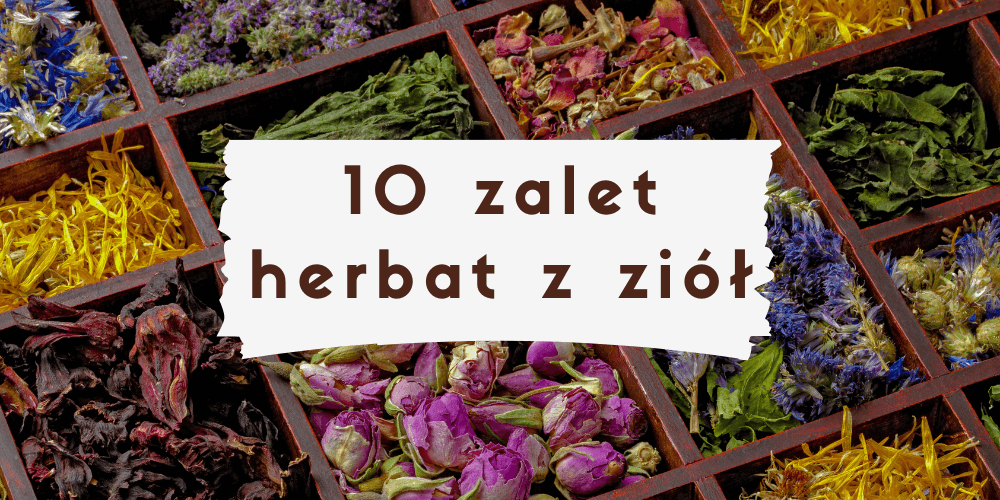
10 reasons why you should drink herbal teas
Discover 10 reasons why you should drink herbal teas! Learn how they support health, relaxation, and well-being. Be inspired by the natural benefits of a cup of tea!

Siberian cedar oil - properties and uses
Siberian Cedar Oil (Pinus sibirica) — properties, composition, and uses in cosmetics and diet. Find out what science says about pinolenic acid, how to apply the oil to skin and hair, and what to look look for when buying.

Christmas Cake Ideas - Recipes and Inspirations for Holiday Baking

Top 5 Adaptogens for Better Immunity and Energy in Fall and Winter

What to Make with Pumpkin? 20 Pumpkin Recipes and Ideas

What to Make with Tahini? Ideas for Using Sesame Paste

Mulled Wine - 15 recipes for mulled wine

Sea buckthorn oil - properties and uses
Sea buckthorn oil stands out due to its composition, which is difficult to find in other vegetable oils – it contains rare palmitoleic acid (Omega-7), a high concentration of carotenoids and tocopherols. Find out how seed oil differs from pulp oil, how to safely use it on the skin and orally, and for whom it is particularly recommended.